കേരളത്തിന്റെ കഥ

The Story of Kerala

Nine chapters, from a legend about the sea to a modern state shaped by trade, faith, reform and the monsoon. Scroll to travel through time.

The entrance of the Parasurama temple at Thiruvallam

The temple at Thiruvallam, Thiruvananthapuram — the most important shrine in Kerala dedicated to Parasurama. Photo: Ranjithsiji, CC BY-SA 4.0.

Chapter 01 · Legend

പരശുരാമൻ

The land the sea gave back

Every Malayali knows how Kerala began: a warrior-sage stood on the shore and hurled his axe into the ocean.

The legend says that Parasurama, the sixth avatar of Vishnu, having given away all the land he had won, threw his axe from Gokarna into the sea. Where it fell, the waters drew back, and a green strip of land rose between the mountains and the ocean. He settled it with people, temples and laws, and so Kerala was born.

Geologists tell a related story in their own language: Kerala's coastal plain is a narrow, young landscape shaped by rivers, lagoons and changing sea levels, squeezed between the Western Ghats and the Arabian Sea. Myth and science agree on one thing — this is a land made by water.
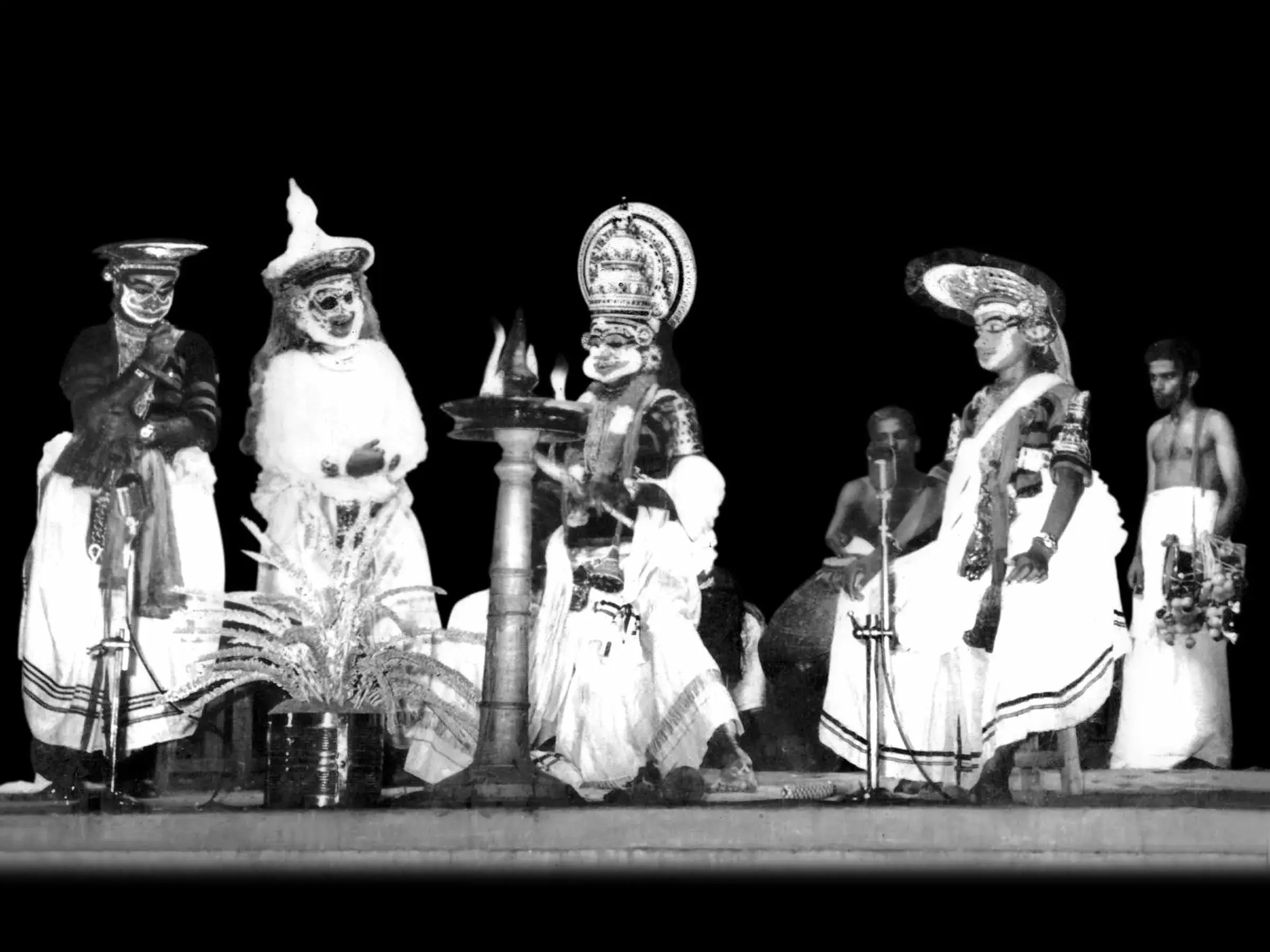
Koodiyattam performers on stage in elaborate costume

Koodiyattam, the Sanskrit temple theatre that flourished in the age of the Chera Perumals. Photo: Sreekanthv at English Wikipedia, CC BY-SA 3.0.

Chapter 02 · c. 3rd century BCE – 12th century CE

ചേരർ

Sangam poets and Chera kings

Kerala steps into written history in an inscription of the emperor Ashoka, who names the 'Keralaputras' beyond his southern frontier.

In the early centuries CE, the Tamil poems of the Sangam anthologies sing of the Chera kings, rulers of the western coast, their capital at Vanchi and their port of Muziris — where, one poem tells us, the well-built ships of the Yavanas (westerners) arrived with gold and sailed away with pepper.

Centuries later, the Chera Perumals of Mahodayapuram, near today's Kodungallur, ruled much of Kerala from around the ninth to the twelfth century. It was in this period that a distinct Malayalam language and culture began to emerge, and temple theatre such as Koodiyattam flourished under royal patronage.

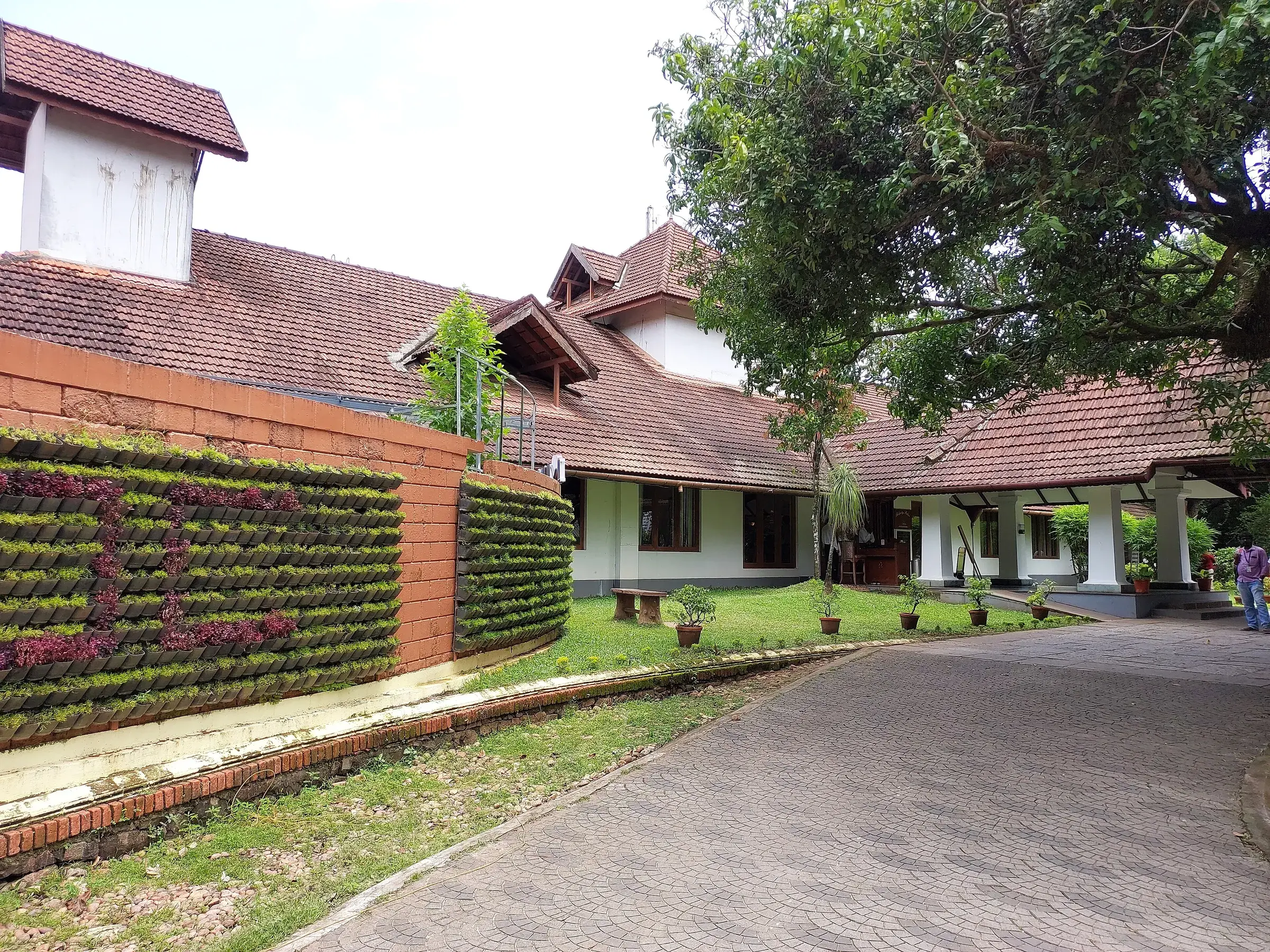
The Pattanam Excavation Museum with archaeological displays

The excavation museum at Pattanam, near Kodungallur, where finds have been linked to ancient Muziris. Photo: Vinayaraj, CC BY-SA 4.0.

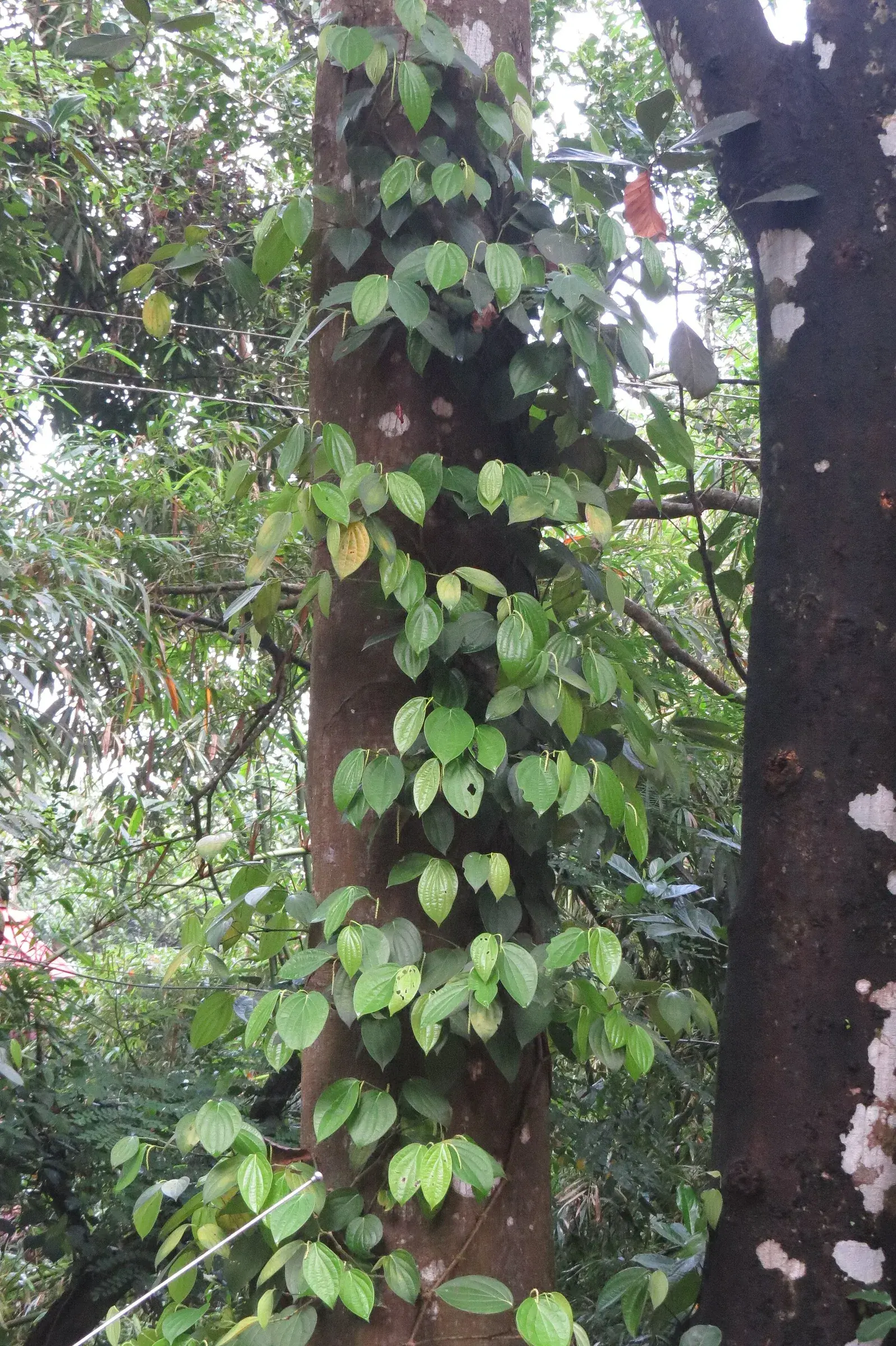
Clusters of black pepper berries on a vine climbing a jackfruit tree

Chapter 03 · 1st century BCE – 14th century CE

മുസിരിസ്

Muziris and the spice routes

Black pepper — 'black gold' — made this coast one of the busiest crossroads of the ancient world.

Roman writers knew Muziris well. Pliny the Elder called it the first emporium of India, and the Greek sailing guide known as the Periplus of the Erythraean Sea describes ships coming from Egypt for pepper and malabathrum. A second-century papyrus now in Vienna records a loan for a cargo shipped from Muziris, and excavations at Pattanam have uncovered Roman amphorae, glass and beads.

The trade did not stop with Rome. Arab and Persian merchants, Jewish and Christian communities, and later Chinese junks made the Malabar coast their home or harbour. Tradition holds that Christianity arrived with the apostle Thomas in the first century, and that Islam came very early through Arab traders. Faiths that elsewhere were divided learned to live side by side here.

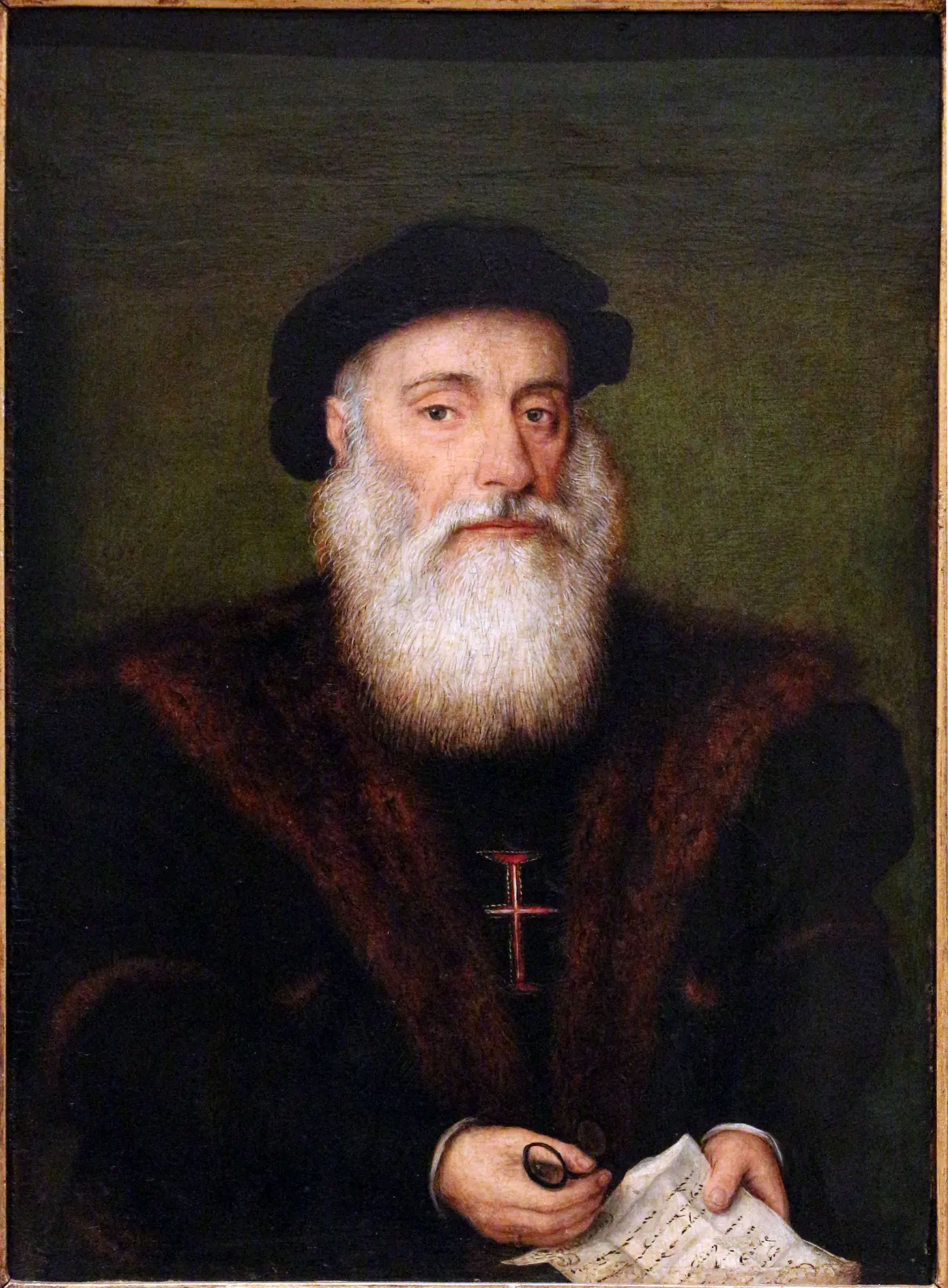
A sixteenth-century portrait of Vasco da Gama

Vasco da Gama, anonymous portrait, c. 1525. Photo: Sailko, CC BY 3.0.

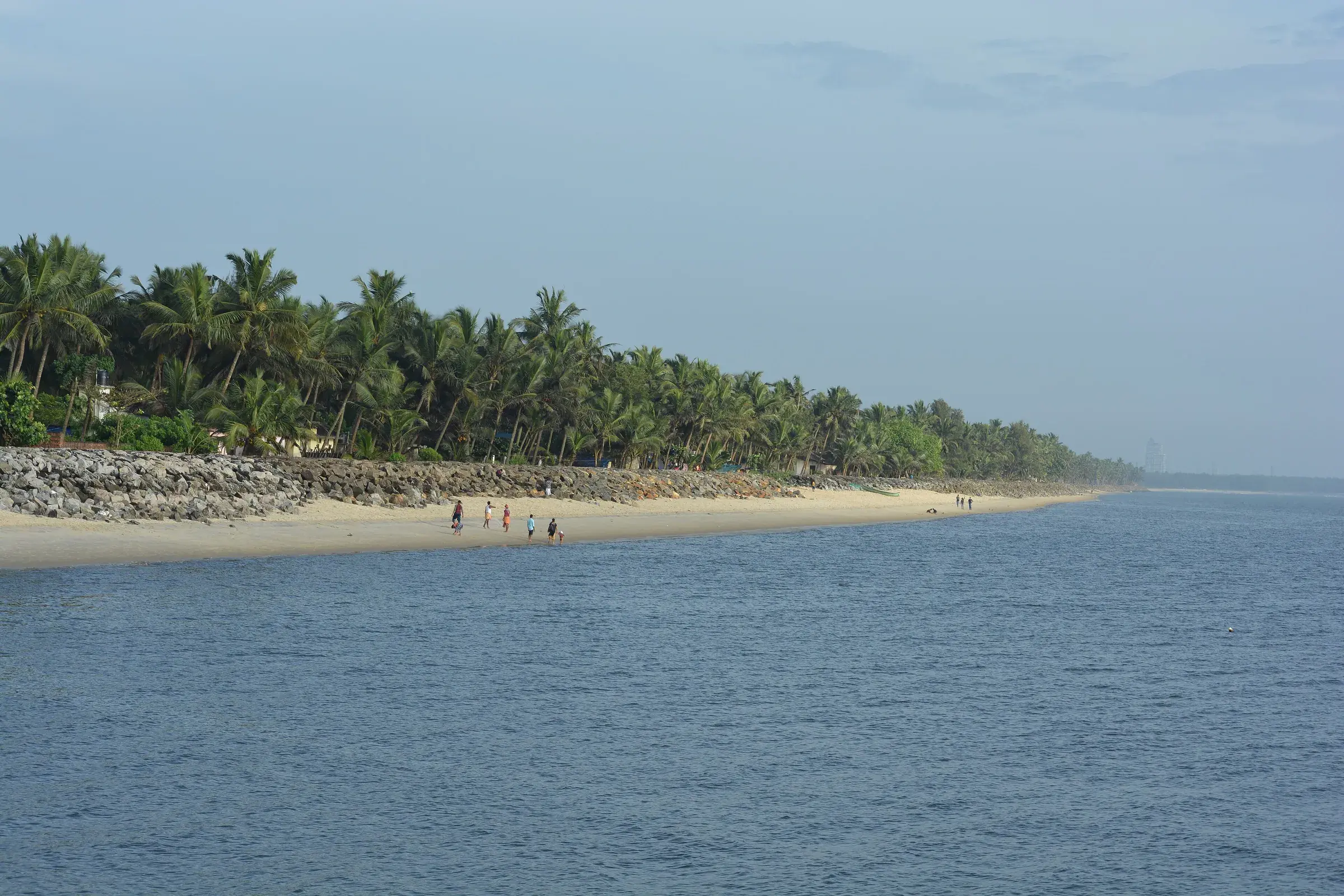
The rocky shore of Kappad beach

Chapter 04 · 20 May 1498

വാസ്കോ ഡ ഗാമ

A ship off Kappad

When Vasco da Gama anchored off Kappad, near Calicut, he opened a sea route that would change the world — and Kerala.

Da Gama's voyage around Africa was the first to sail directly from Europe to India. At Calicut he met the Zamorin, the wealthy ruler of a port where Arab merchants had traded for centuries. The meeting went badly: the Portuguese gifts seemed poor, and their ambitions were large.

The Portuguese returned with cannon. In the decades that followed they fought the Zamorin at sea, allied with his rival the Raja of Cochin, and tried to control the spice trade by force — the beginning of four centuries of European involvement on the Malabar coast.

The colonial façade of Bolgatty Palace on an island in Kochi

Bolgatty Palace in Kochi, built by the Dutch in 1744 and later the British Residency. Photo: Vis M, CC BY-SA 4.0.

Chapter 05 · 1503 – 1947

വിദേശശക്തികൾ

Portuguese, Dutch and British

Forts rose on the coast as European companies fought over pepper, cinnamon and control of the sea.

In 1503 the Portuguese built Fort Manuel at Kochi, the first European fort in India. They were followed by the Dutch, who took Kochi in 1663 and renovated the Mattancherry Palace, and by the English East India Company, which established itself at Thalassery and Anchuthengu.

In 1741, at the Battle of Colachel, the forces of Travancore under Marthanda Varma defeated the Dutch East India Company — a rare defeat of a European colonial power by an Indian kingdom. By the end of the eighteenth century, however, the British controlled Malabar directly, while Travancore and Cochin survived as princely states under British paramountcy until 1947.

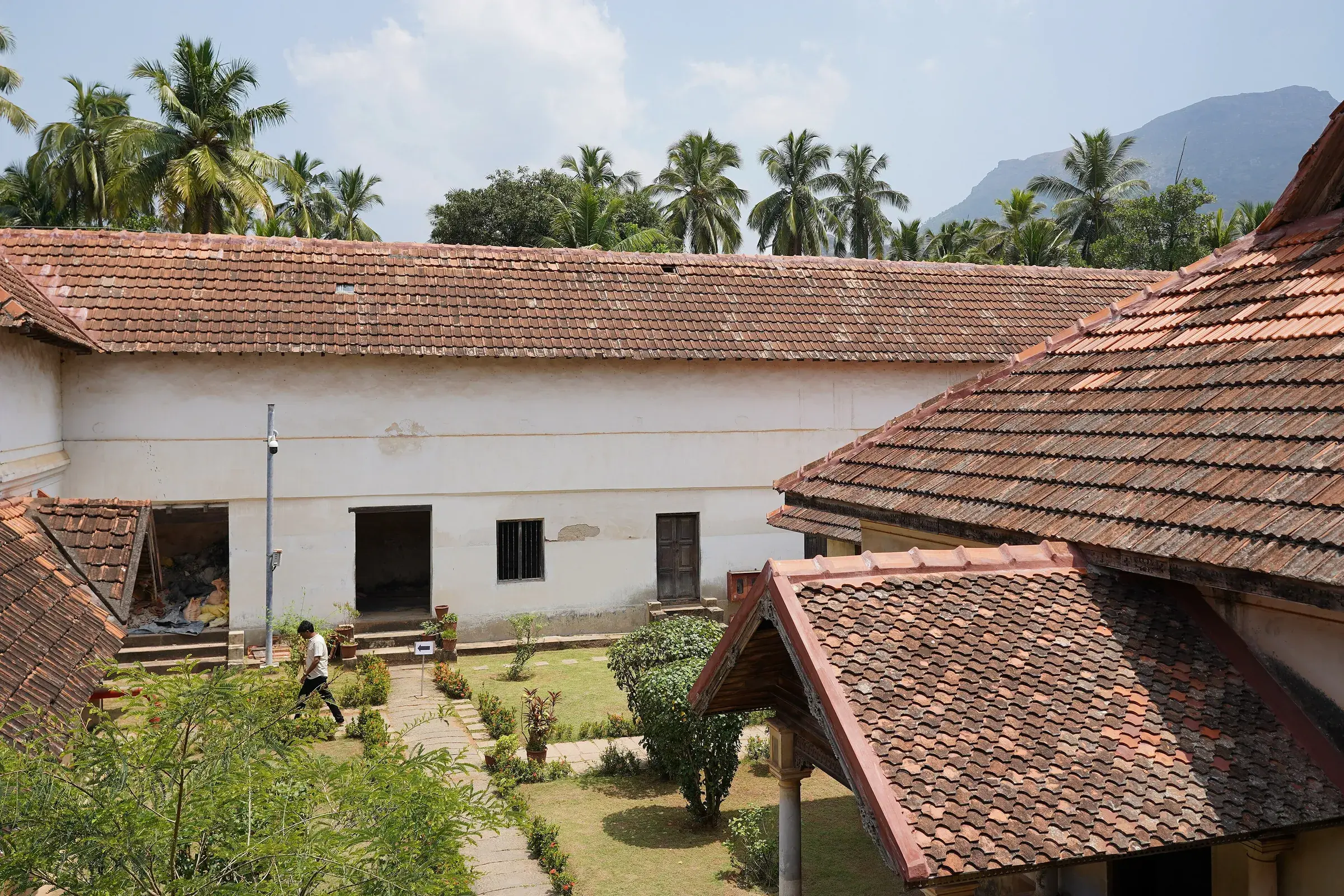
The wooden interior courtyard of Padmanabhapuram Palace

Padmanabhapuram Palace, capital of Travancore until 1795 (today in Tamil Nadu). Photo: Timothy A. Gonsalves, CC BY-SA 4.0.

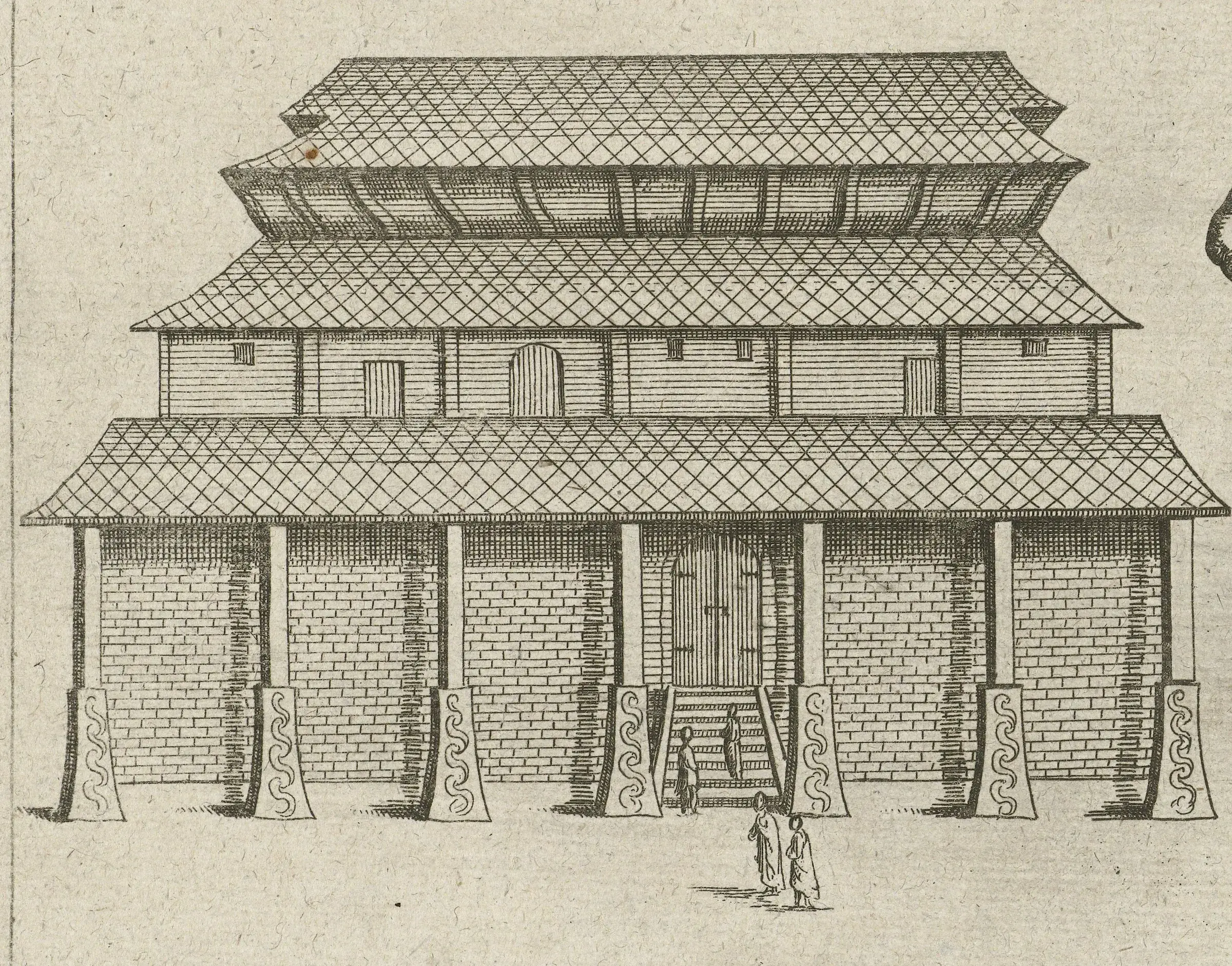
An engraving of the palace of the Zamorin of Calicut

Chapter 06 · 12th – 20th century

സാമൂതിരി, തിരുവിതാംകൂർ, കൊച്ചി

Zamorins, Travancore and Cochin

After the Cheras, Kerala divided into rival kingdoms, three of which would shape its modern map.

In the north, the Zamorins of Calicut grew rich on trade and presided over the Mamankam festival on the Bharathapuzha. In the centre, the Kingdom of Cochin ruled from Kochi and later Thrissur. In the south, Marthanda Varma (r. 1729–1758) united small principalities into Travancore, dedicating the kingdom to Sree Padmanabha in 1750.

In the nineteenth and early twentieth centuries Travancore and Cochin invested in schools, hospitals and public works, and Travancore's literacy, education and civil service became among the most advanced in India. These foundations would matter greatly after independence.

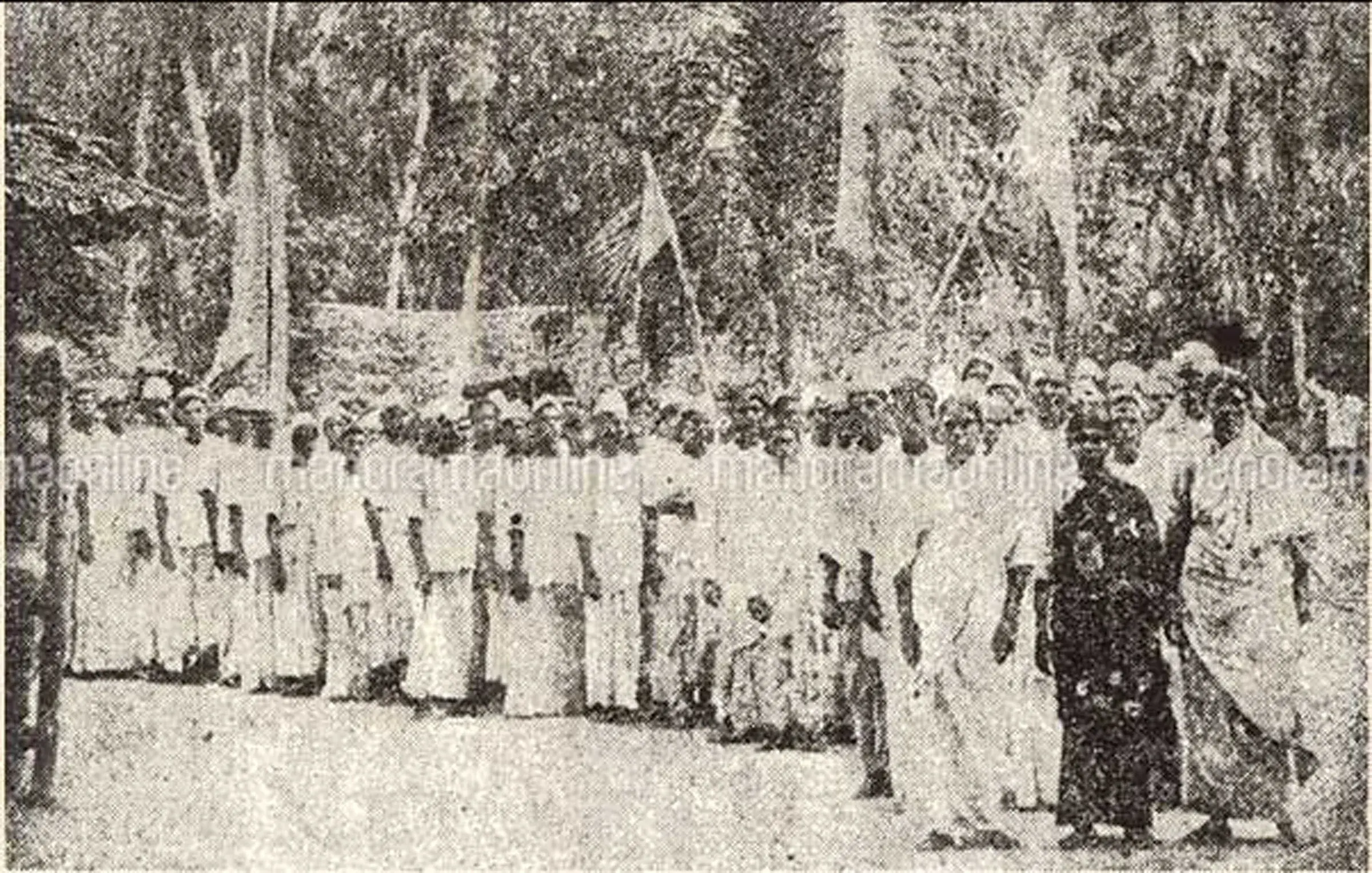
A historic photograph of a protest march during the Vaikom Satyagraha

A march during the Vaikom Satyagraha, 1924–25. Photo: Unknown author, Public domain.

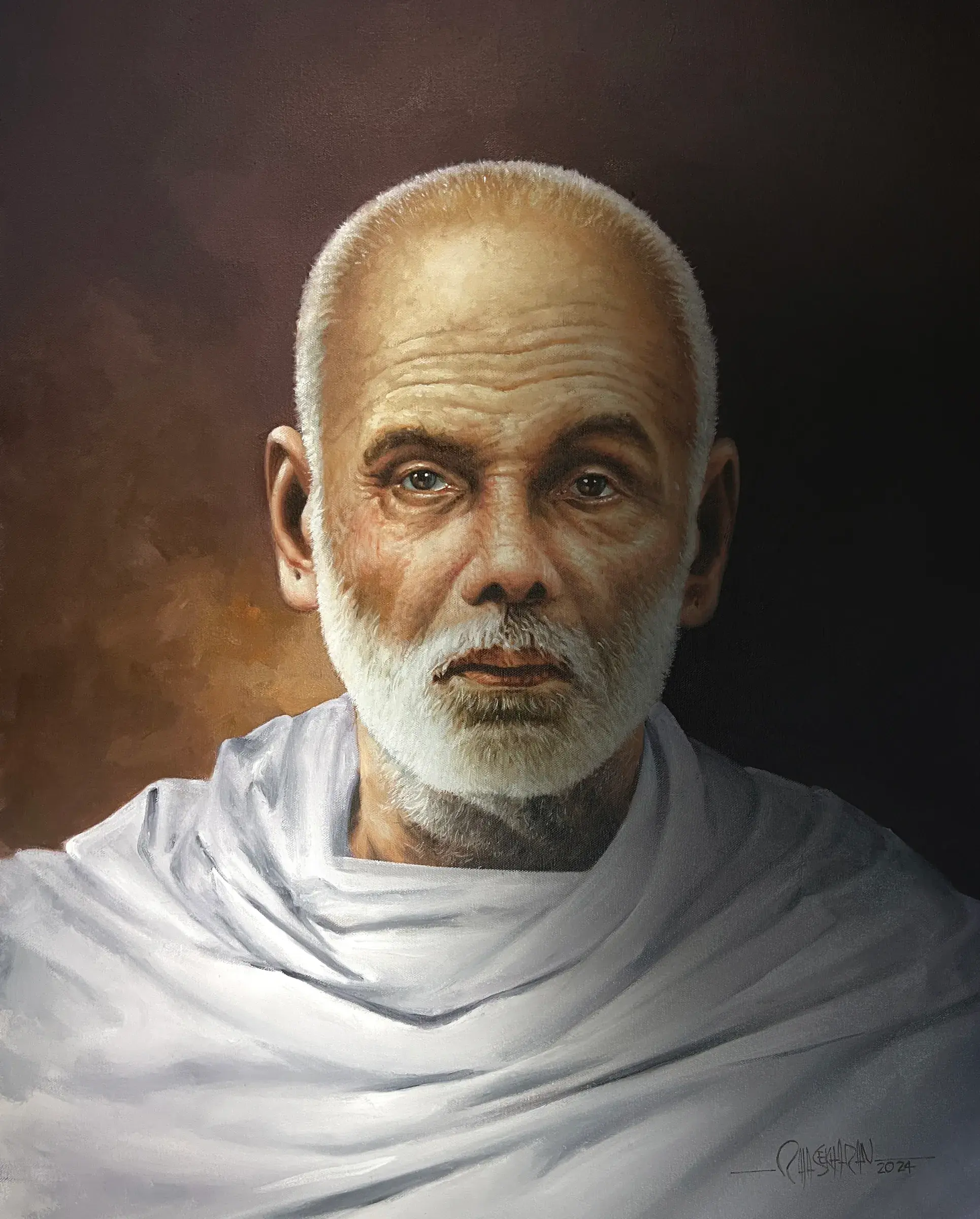
An oil painting of Sree Narayana Guru
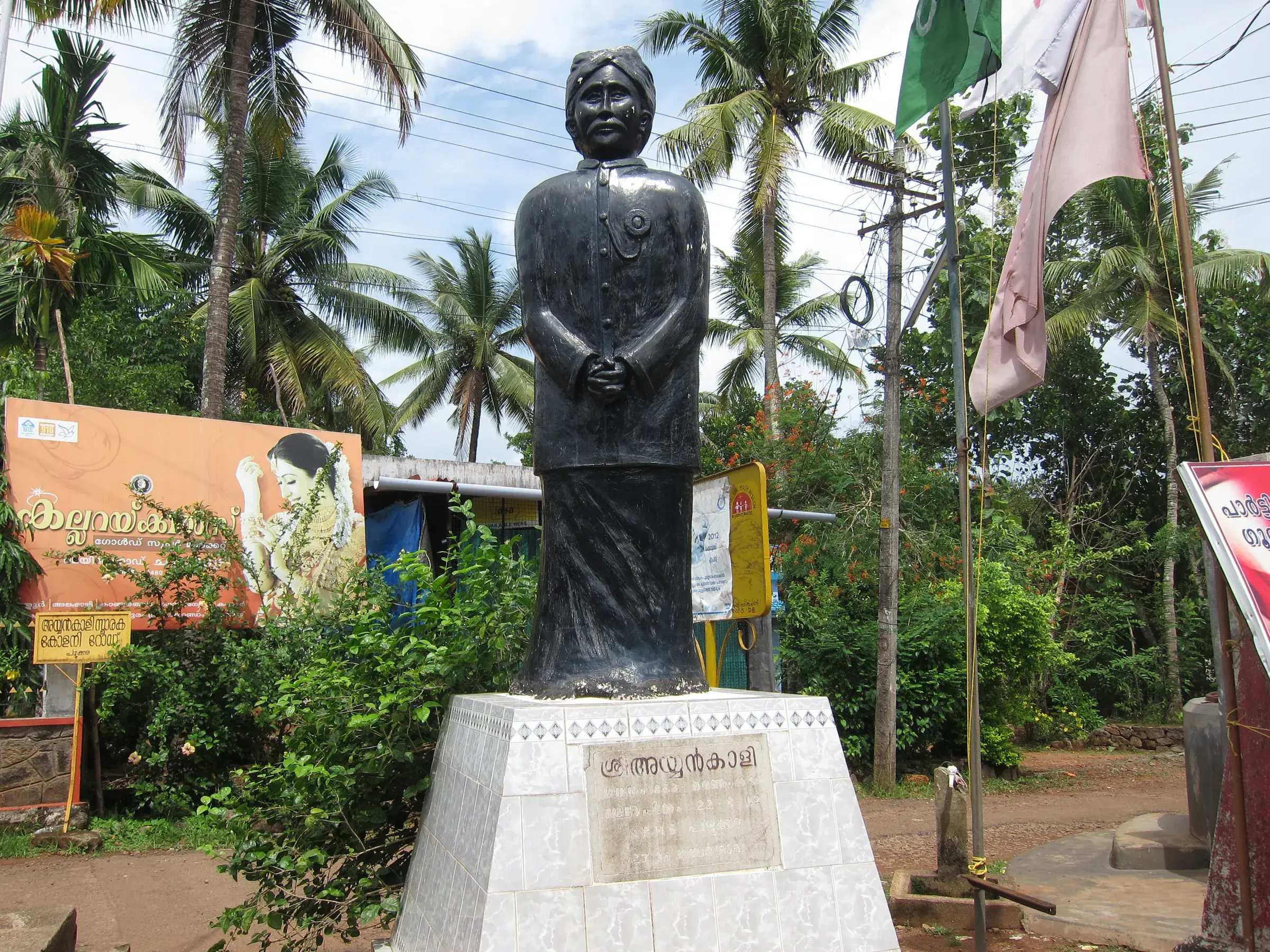
A statue of Ayyankali

Chapter 07 · 1888 – 1936

നവോത്ഥാനം

A renaissance against caste

In a society governed by rigid caste rules, reformers dared Kerala to imagine equality.

In 1888, at Aruvippuram, Sree Narayana Guru consecrated a Shiva idol himself — an act forbidden to anyone outside the Brahmin caste — and went on to preach 'one caste, one religion, one God for humankind'. In 1893 Ayyankali drove a bullock cart along a public road from which Dalits were barred, and later led agricultural labourers in a strike demanding that their children be admitted to schools.

In 1924–25 the Vaikom Satyagraha campaigned for the right of all castes to use the roads around the Vaikom temple, drawing support from Gandhi and from across India. It was followed by the Guruvayur Satyagraha of 1931–32, and in 1936 Travancore's Temple Entry Proclamation opened its temples to every Hindu. Many others — Chattampi Swamikal, Vakkom Moulavi, Mannathu Padmanabhan, V. T. Bhattathiripad and more — reformed their own communities in the same era.

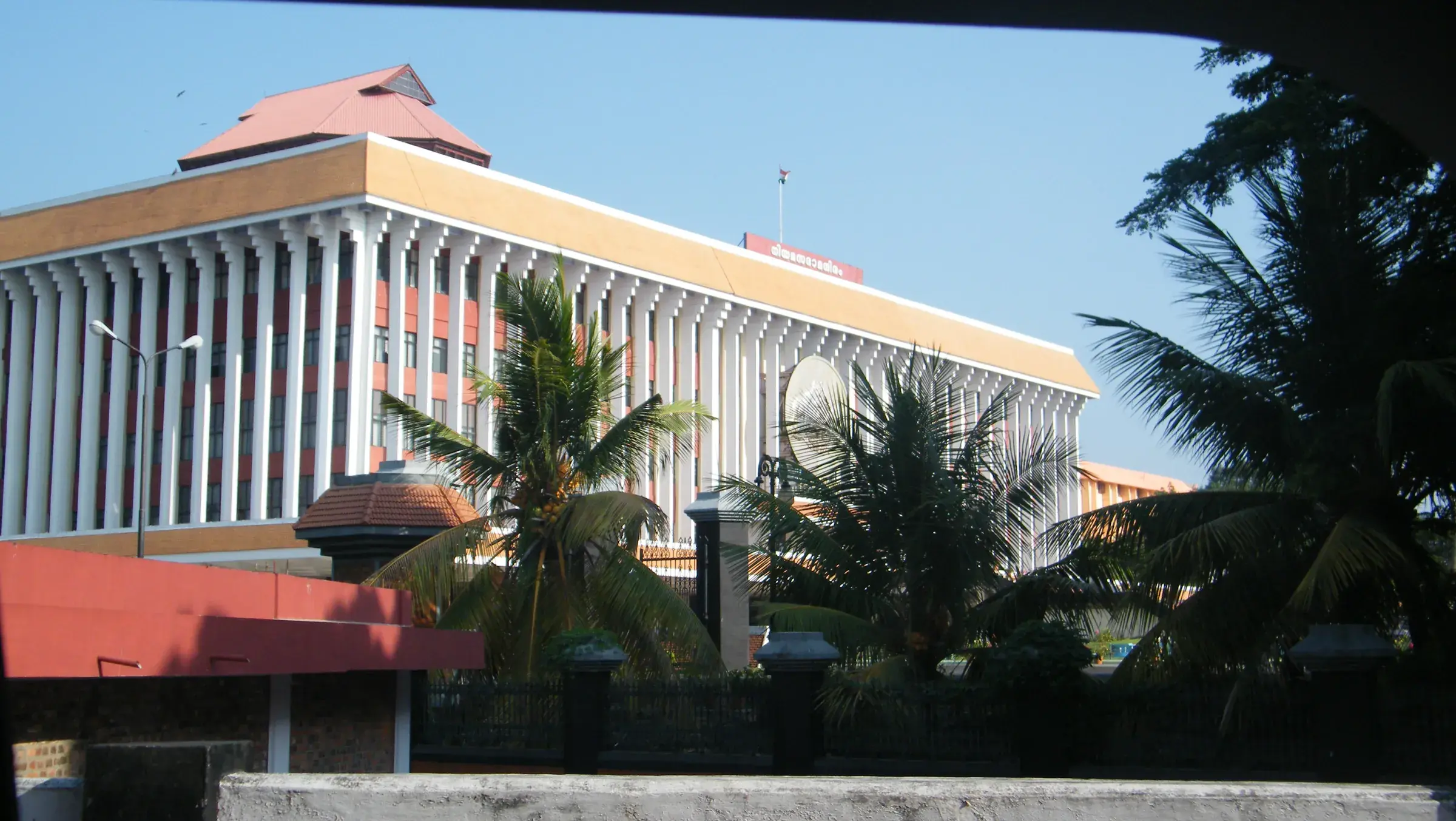
The Niyamasabha Mandiram, Kerala's legislative assembly building

The Niyamasabha Mandiram in Thiruvananthapuram, today's home of the Kerala Legislative Assembly. Photo: sabu-mampallil-kottayam, CC BY-SA 3.0.

Chapter 08 · 1 November 1956

ഐക്യകേരളം

One Kerala

The dream of a united, Malayalam-speaking state — Aikya Keralam — came true on Kerala Piravi day.

When states were reorganised on linguistic lines, Travancore–Cochin (minus its southern Tamil-majority taluks, which went to Madras State) was joined with the Malabar district and the Kasaragod taluk of South Canara. The new state of Kerala was born on 1 November 1956, a day still celebrated as Kerala Piravi.

In 1957 Kerala elected a government led by E. M. S. Namboodiripad, one of the first communist governments anywhere to come to power through the ballot box. Its land and education reforms, and those of the governments that followed, shaped the Kerala of today.

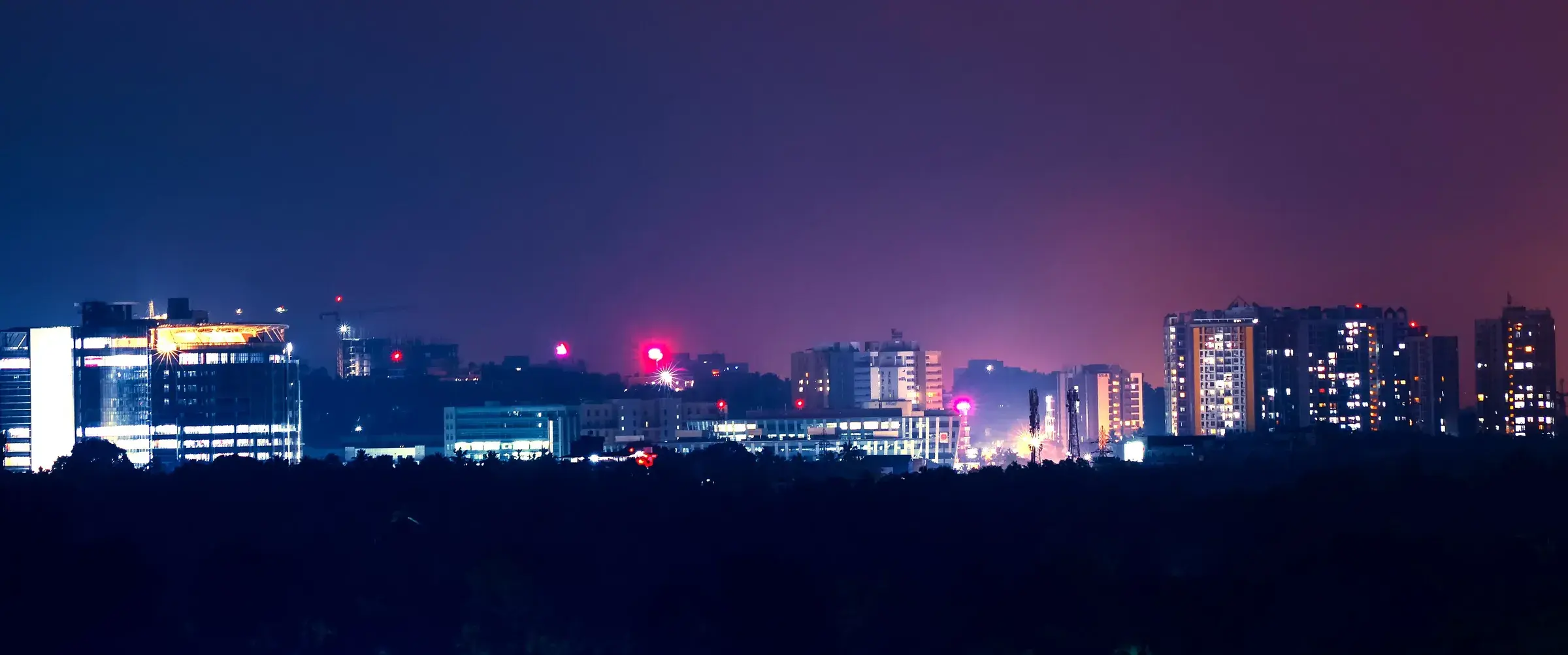
The illuminated buildings of Technopark in Thiruvananthapuram at night

Technopark, Thiruvananthapuram — India's first technology park, opened in 1990. Photo: Vivek Narayanan, CC BY-SA 4.0.

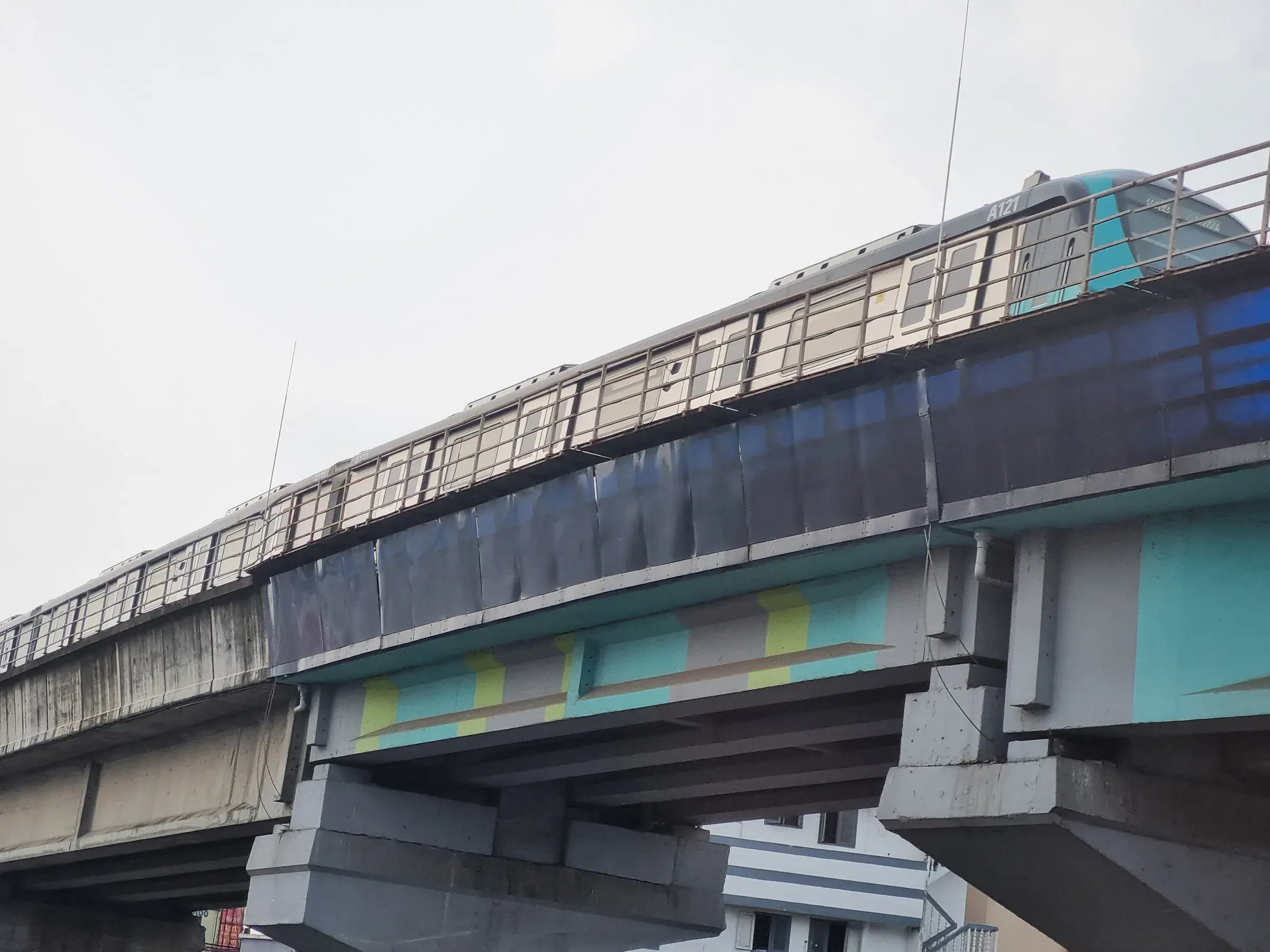
A Kochi Metro train on an elevated track

Chapter 09 · 1956 – today

ആധുനിക കേരളം

Modern Kerala

A small state that became famous for what it achieved with modest means.

Land reforms, public schools and health centres gave Kerala literacy, life expectancy and infant-survival figures far ahead of the Indian average — the so-called 'Kerala model'. The 2011 census recorded literacy of about 94 per cent. From the 1970s, millions of Malayalis went to work in the Gulf, and their remittances transformed towns and villages.

The state has also faced hard tests — the floods of August 2018, the worst in nearly a century, and landslides in Wayanad in 2024. Today Kerala is a place of technology parks, a metro in Kochi, festivals of art and literature, and a diaspora spread across the world — still shaped, every June, by the arrival of the monsoon.

The story continues in fourteen districts.