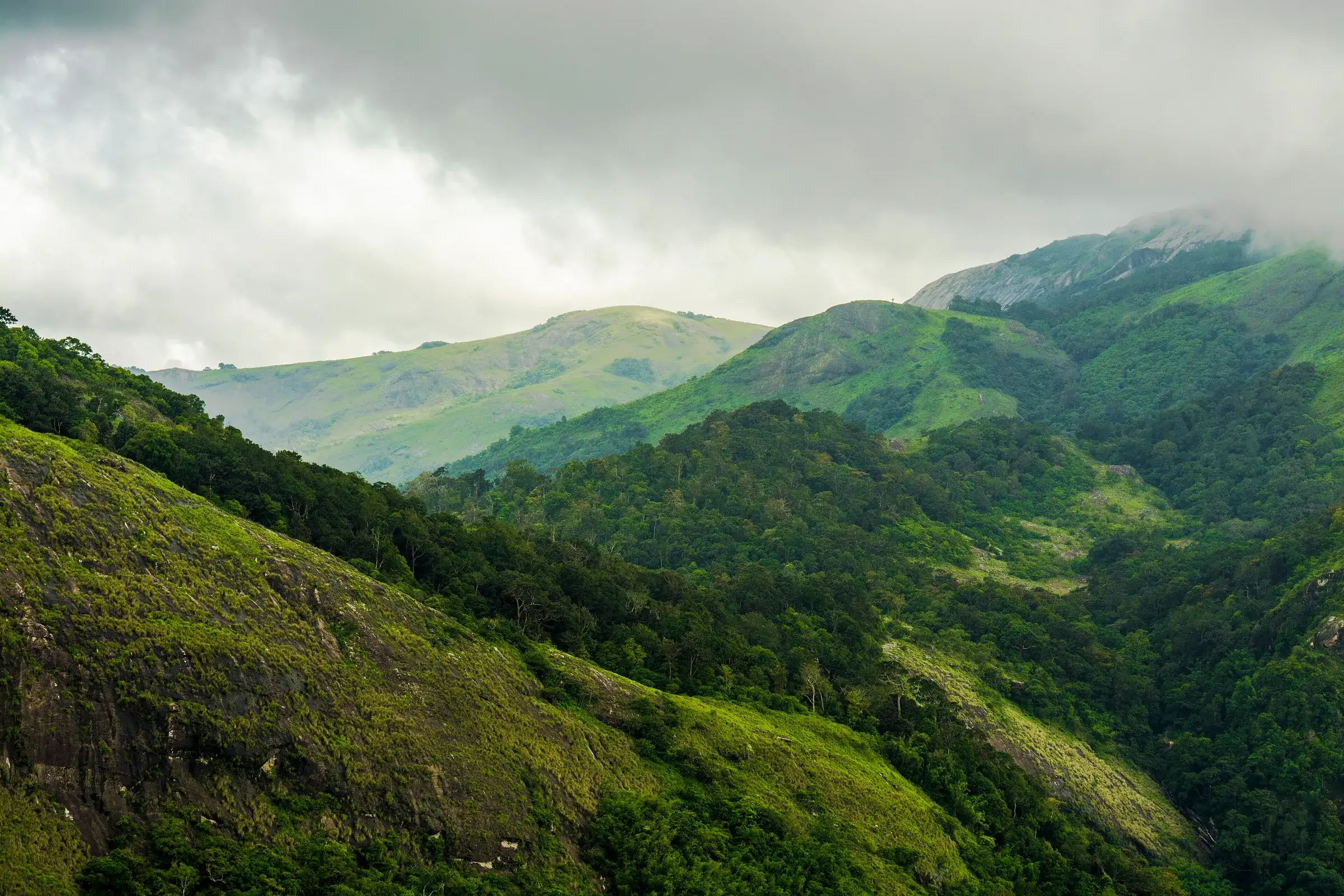
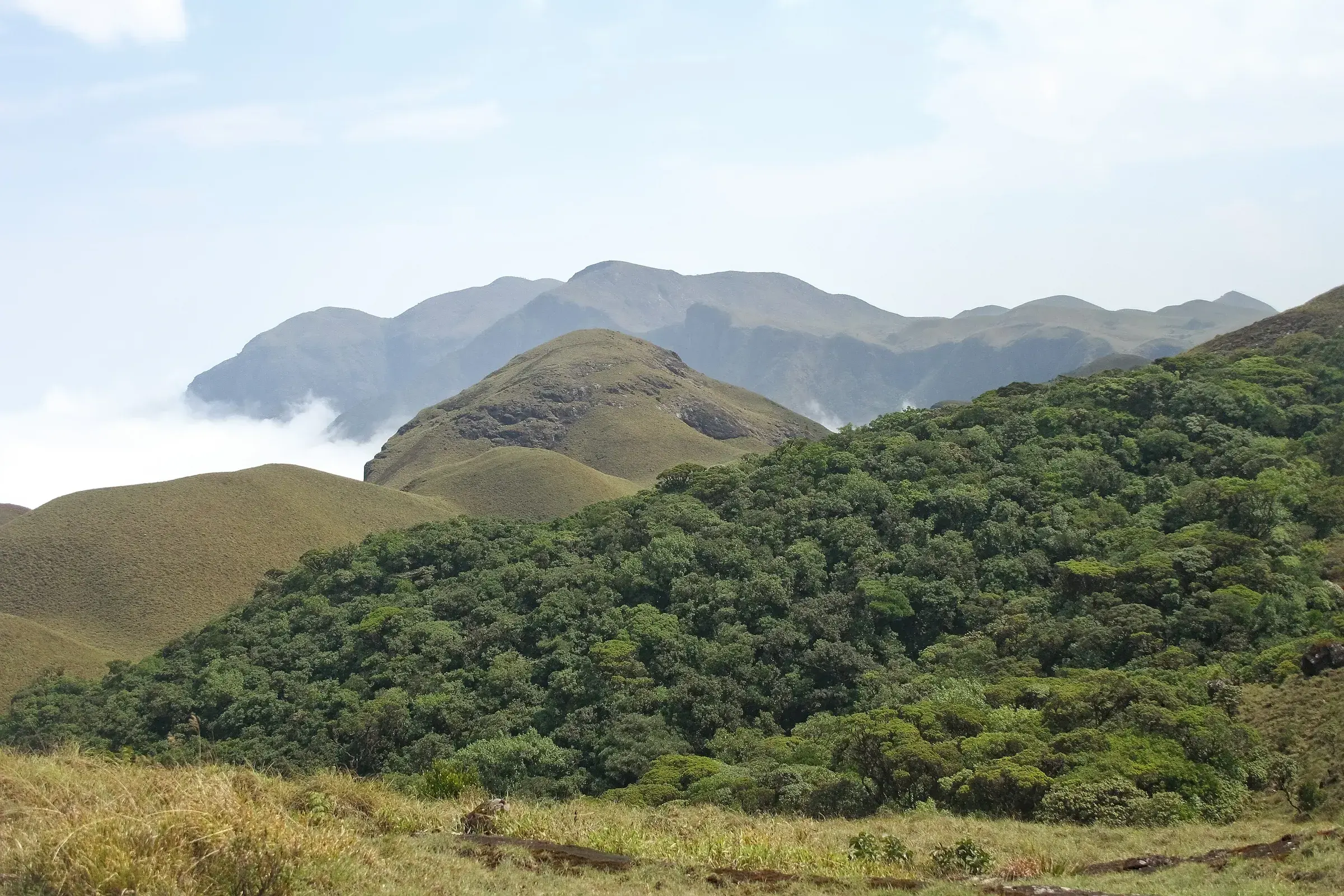
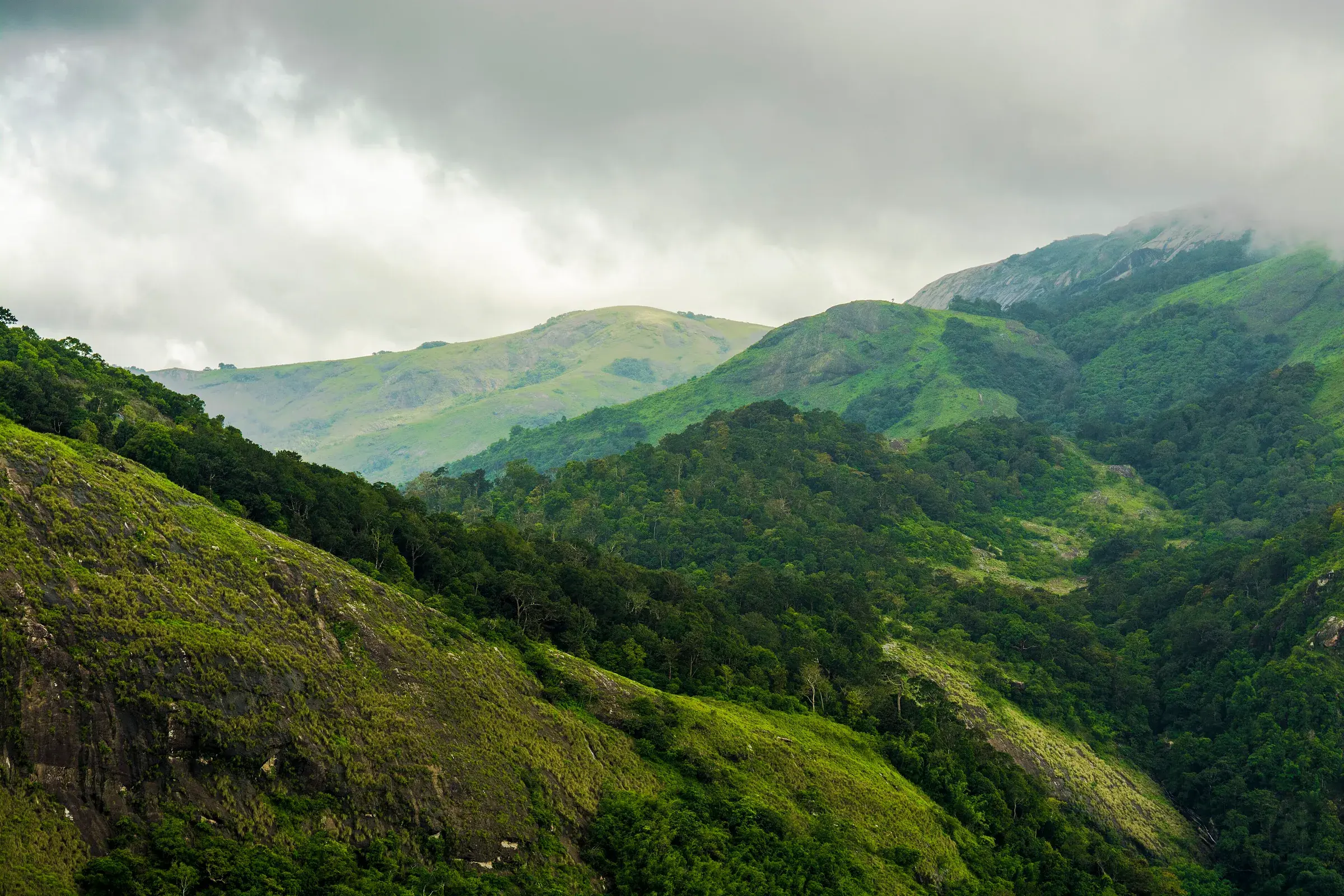
Palakkad sits at the one great opening in the Western Ghats, a gap roughly thirty to forty kilometres wide between the Nilgiris and the Anamalai hills. Through it came traders, armies, railways — and a hot dry wind that gives the district a climate unlike the rest of Kerala.
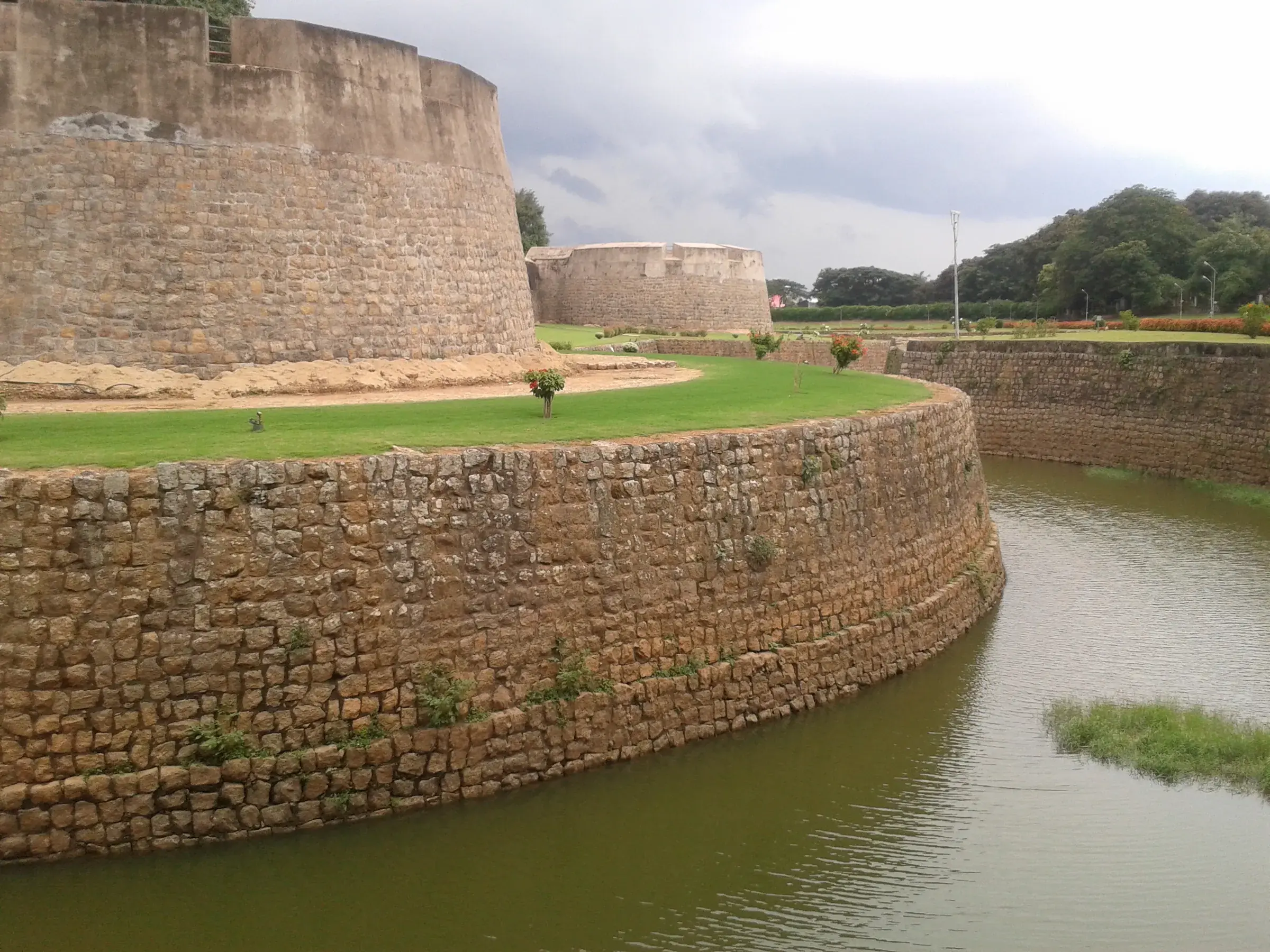
The district was ruled by the Palakkad Rajas, caught for centuries between the Zamorin of Calicut and their other neighbours. In 1757 the Raja asked Hyder Ali of Mysore for help against the Zamorin, opening the door to Mysorean control. Hyder Ali rebuilt Palakkad Fort in granite in 1766, and the British captured it in 1784 and again in 1790.
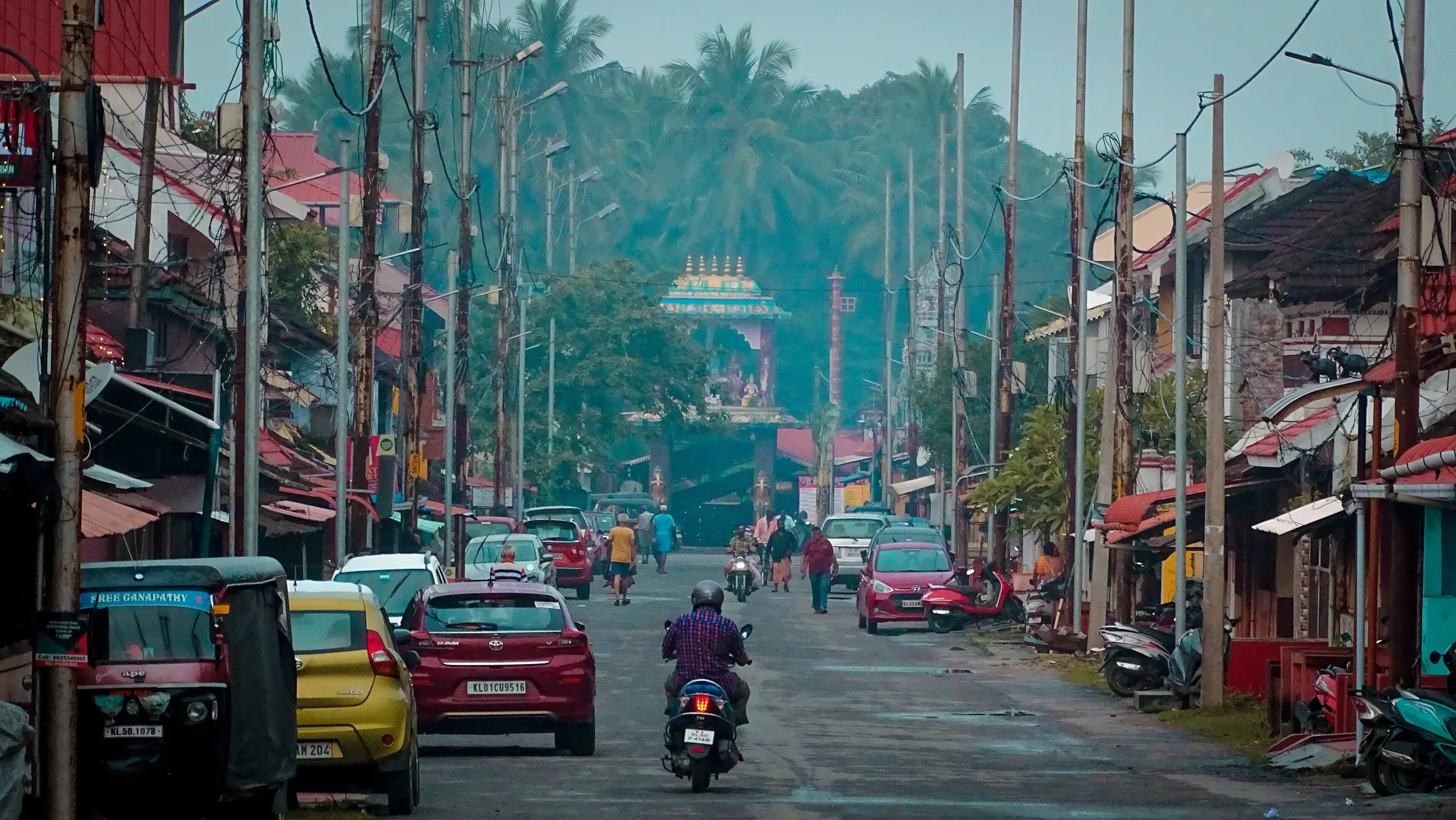
Settlers from the east arrived over the centuries. Tamil Brahmin families built agraharams — streets of joined houses facing a temple — and Kalpathy, with its Viswanatha Swamy temple of 1425, became Kerala's first heritage village. Palakkad also became one of Kerala's great homes of Carnatic music.
In the 1970s a plan to dam the Kunthipuzha river in Silent Valley sparked one of India's first great environmental movements, led by scientists, poets and the Kerala Sasthra Sahithya Parishad. The project was abandoned, and Silent Valley was declared a national park in 1984. The district itself was created on 1 January 1957 from the old Malabar district.