Kasaragod sits where Kerala meets Tulunadu, and it has long looked both ways. Tradition calls it the land of seven languages. The Kumbla kings, the Kolathiris and, later, the Keladi Nayakas of Ikkeri contested the region, and the Chandragiri river was long considered the boundary between Kerala and Tulunadu.
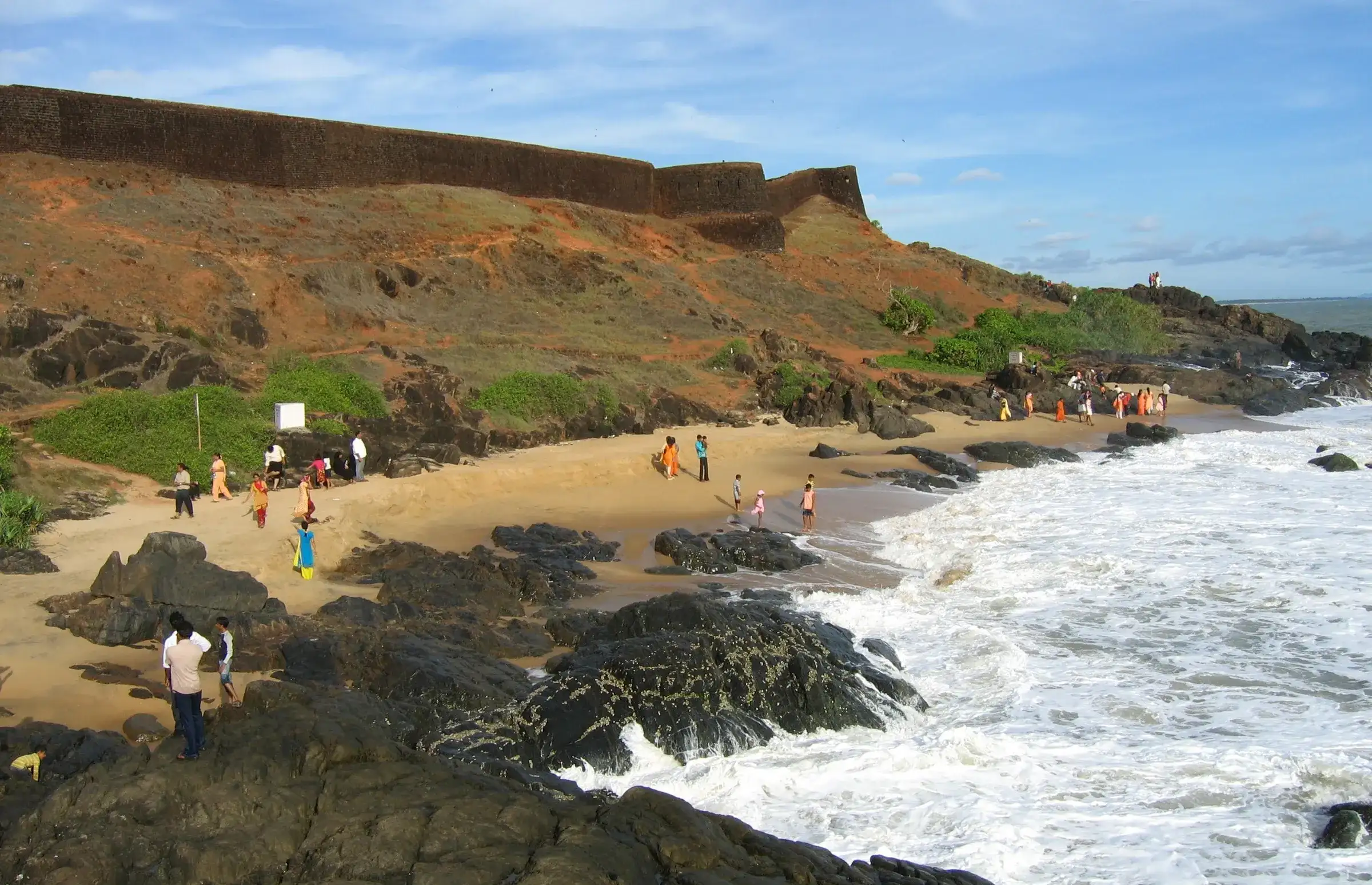
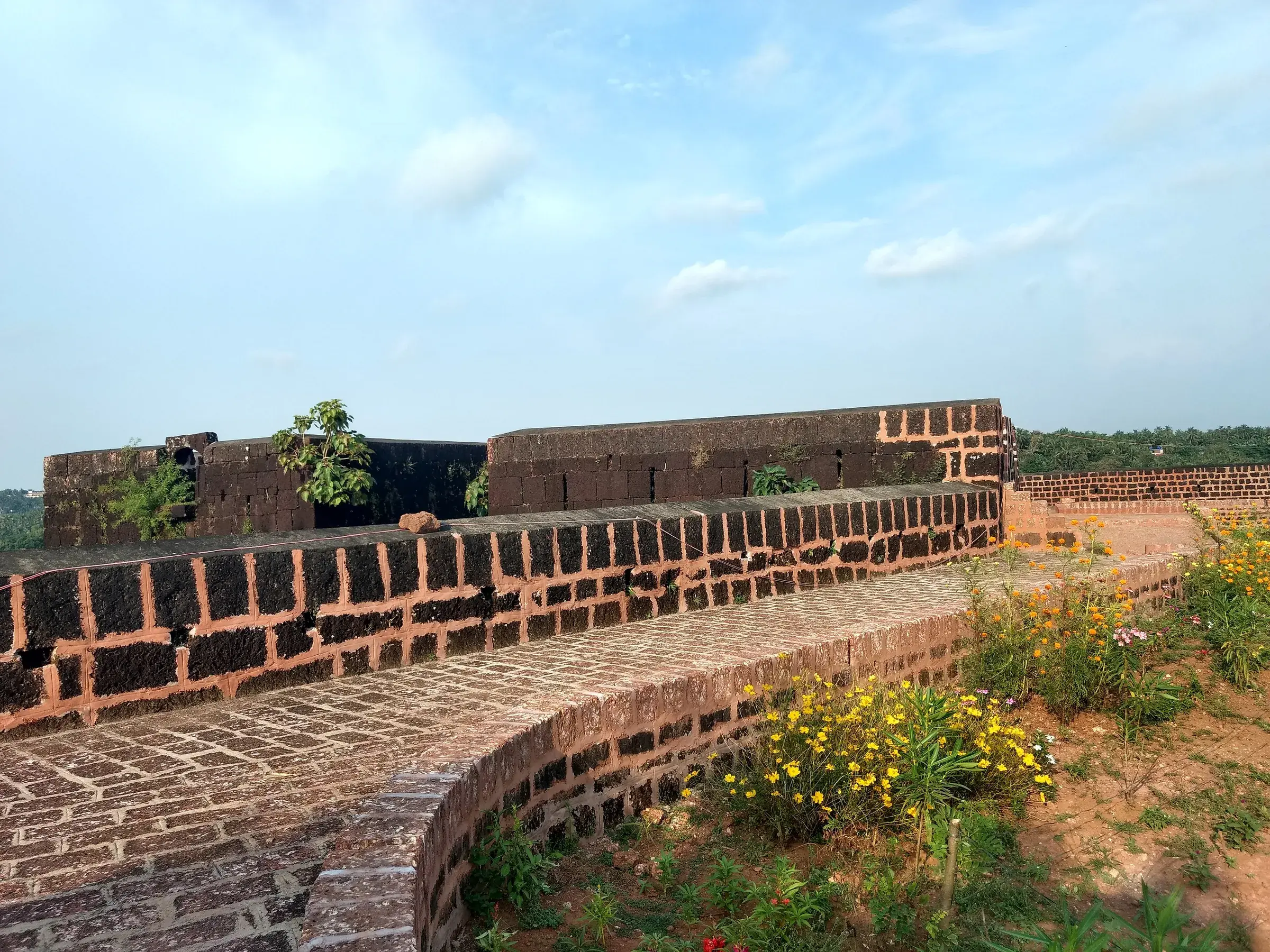
The Keladi ruler Shivappa Nayaka built Bekal and Chandragiri forts in the seventeenth century. Mysore later took the region; Tipu Sultan held Bekal until the British took control in 1799. Kasaragod then became part of South Canara district in the Madras Presidency.
Islam has deep roots here: tradition holds that the Malik Dinar mosque at Thalangara was founded by companions of Malik ibn Dinar, among the earliest Muslim missionaries to India. Kasaragod also gave the world Parthi Subba of Kumbla, regarded as the father of Yakshagana, the night-long dance-drama of the Tulu-Kannada coast.
When states were redrawn on linguistic lines in 1956, Kasaragod joined Kerala; it was later part of Kannur district until it became a district of its own on 24 May 1984. In recent decades it has also been the centre of a long campaign for justice for victims of endosulfan spraying on cashew plantations, which contributed to the pesticide's nationwide ban by the Supreme Court in 2011.