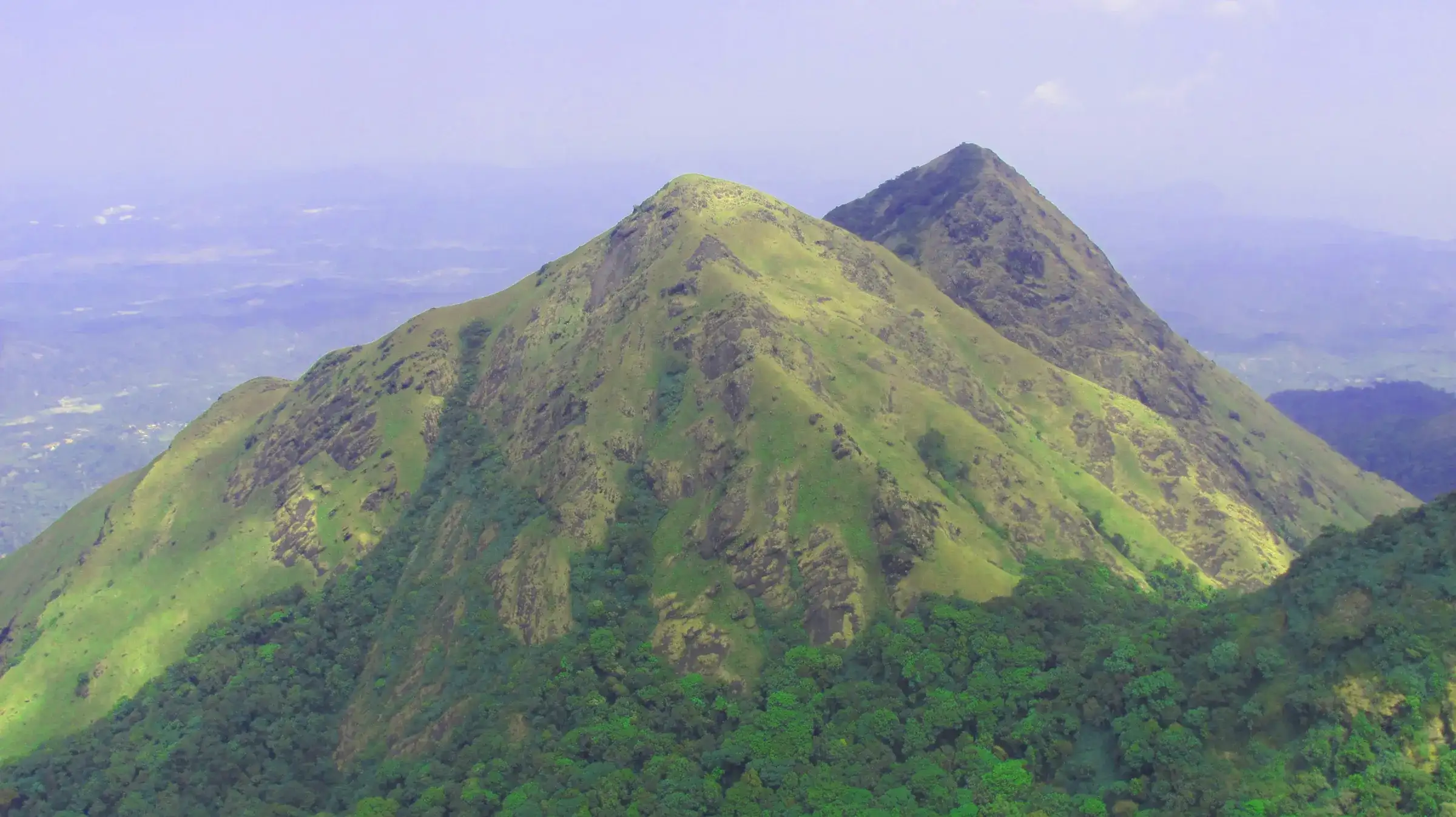
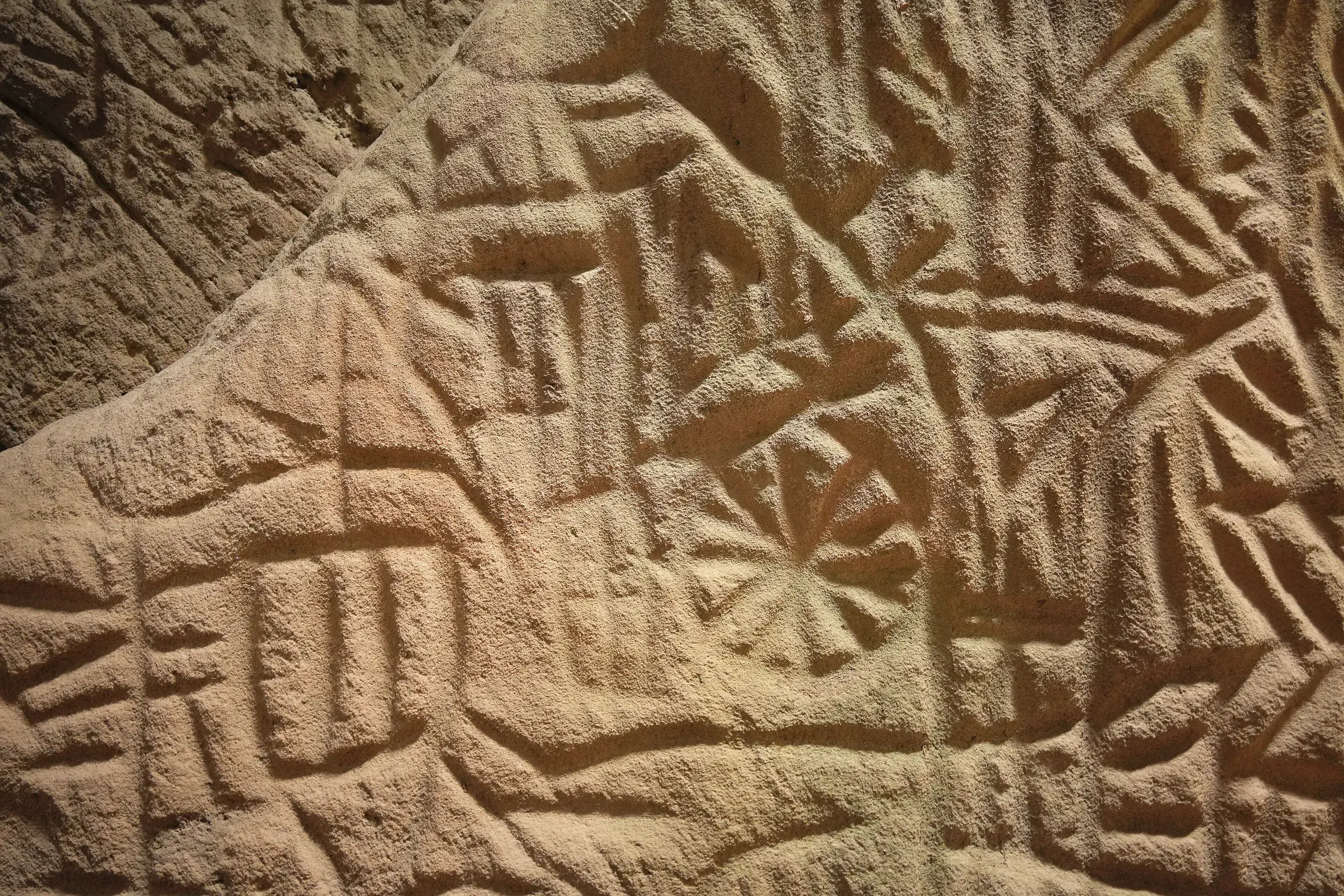
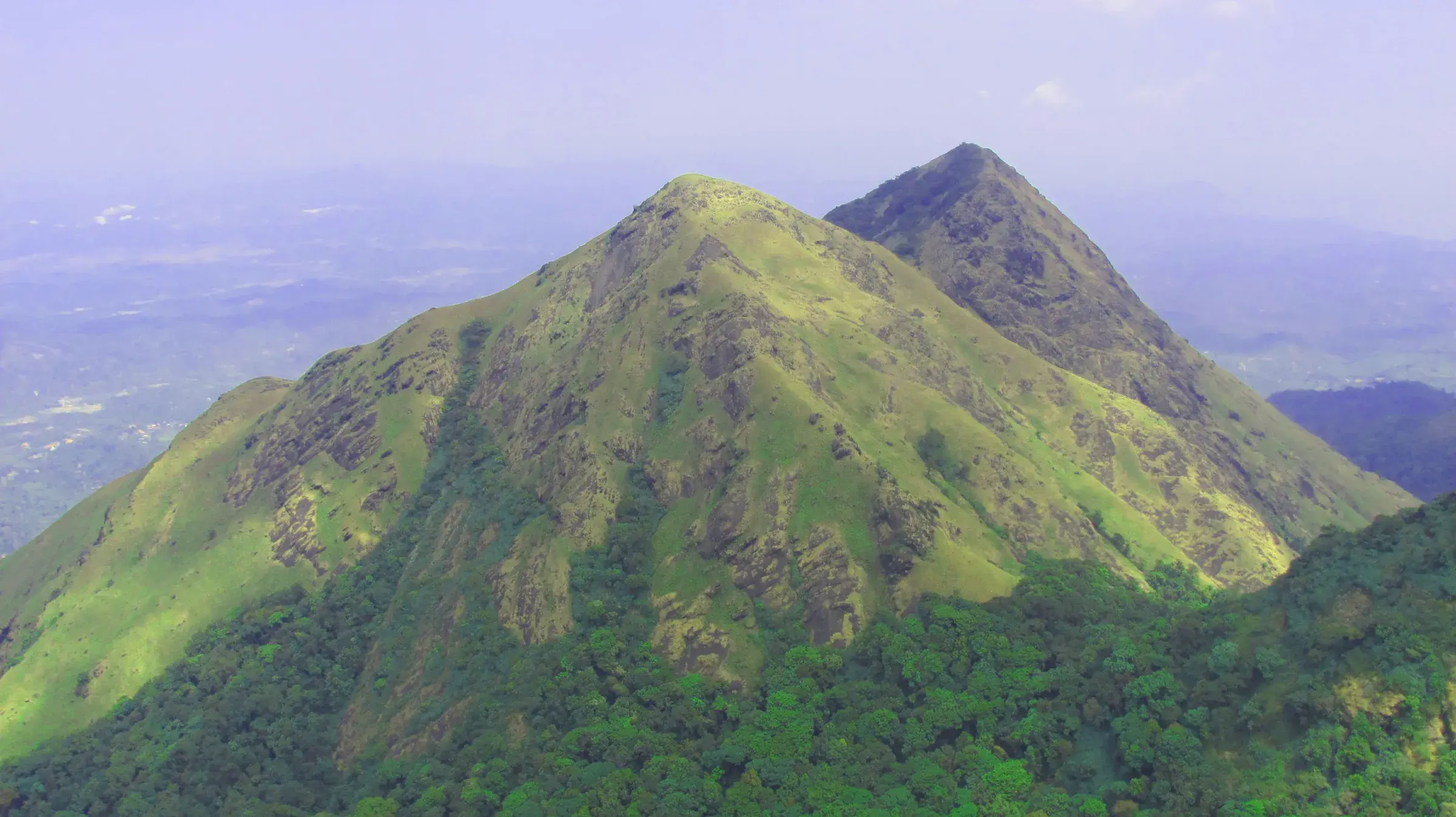
In the Edakkal Caves, high on Ambukuthi Mala, the walls are covered in carved figures, symbols and later inscriptions. The oldest engravings are thought to be several thousand years old — among the earliest traces of human presence in Kerala.
Wayanad is home to the largest Adivasi population in Kerala, including the Paniya, Kurichya, Kattunaikka and Adiya communities. Jain merchants also left their mark: the thirteenth-century Jain temple at Sulthan Bathery was later used by Tipu Sultan as an ammunition store, giving the town its name — 'Sultan's Battery'.
From 1793 to 1805 Pazhassi Raja, a prince of the Kottayam royal house of Malabar, fought a guerrilla war against the British from Wayanad's forests, backed by the Kurichya archers. He died in a skirmish on 30 November 1805 and is honoured as one of the earliest leaders of resistance to British rule.
The British cleared forest for coffee, tea and pepper plantations, and roads such as the Thamarassery ghat climbed up from the coast. The district was formed on 1 November 1980. On 30 July 2024, devastating landslides struck Mundakkai and Chooralmala, taking hundreds of lives; Wayanad's rebuilding continues.