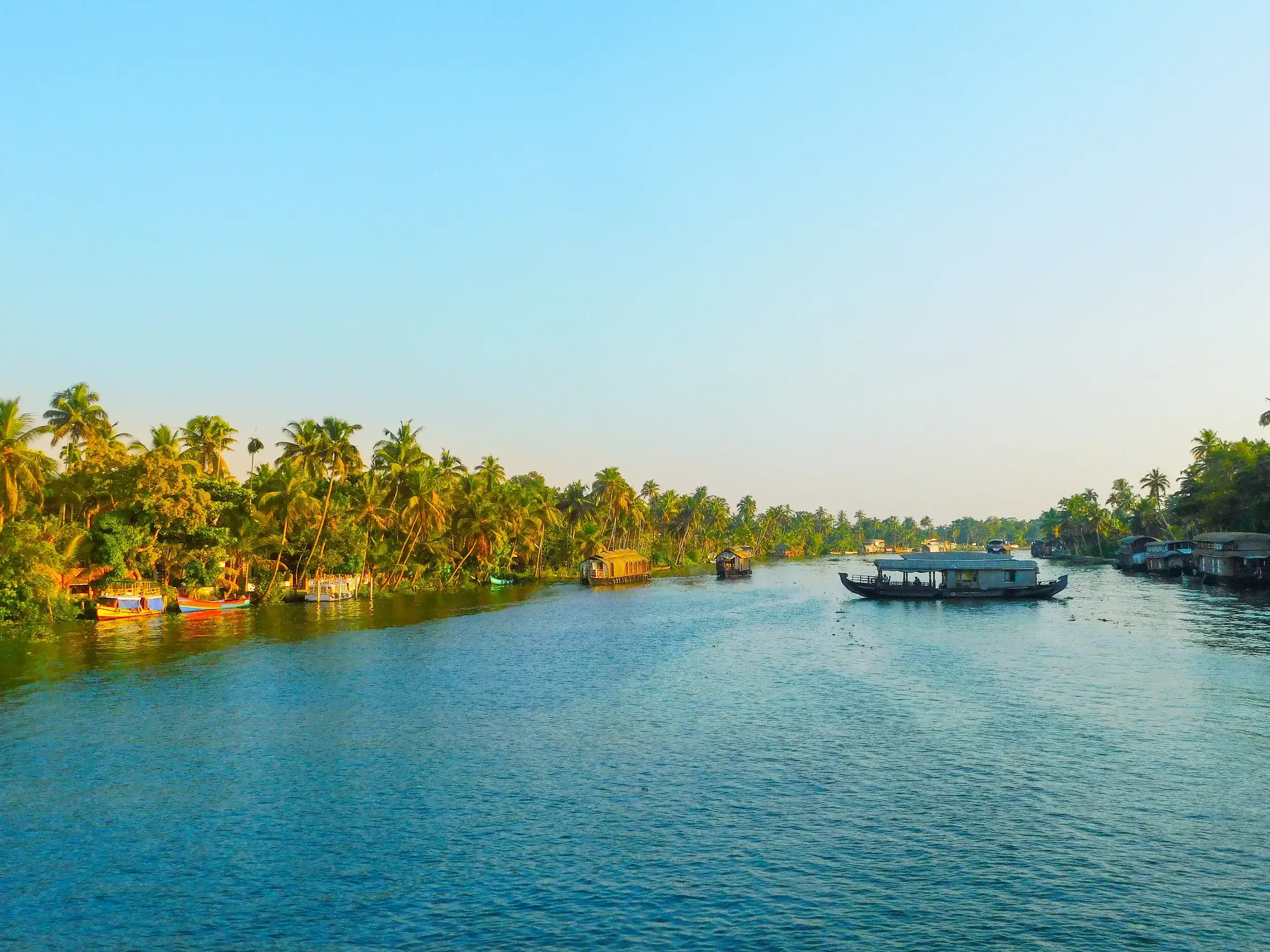
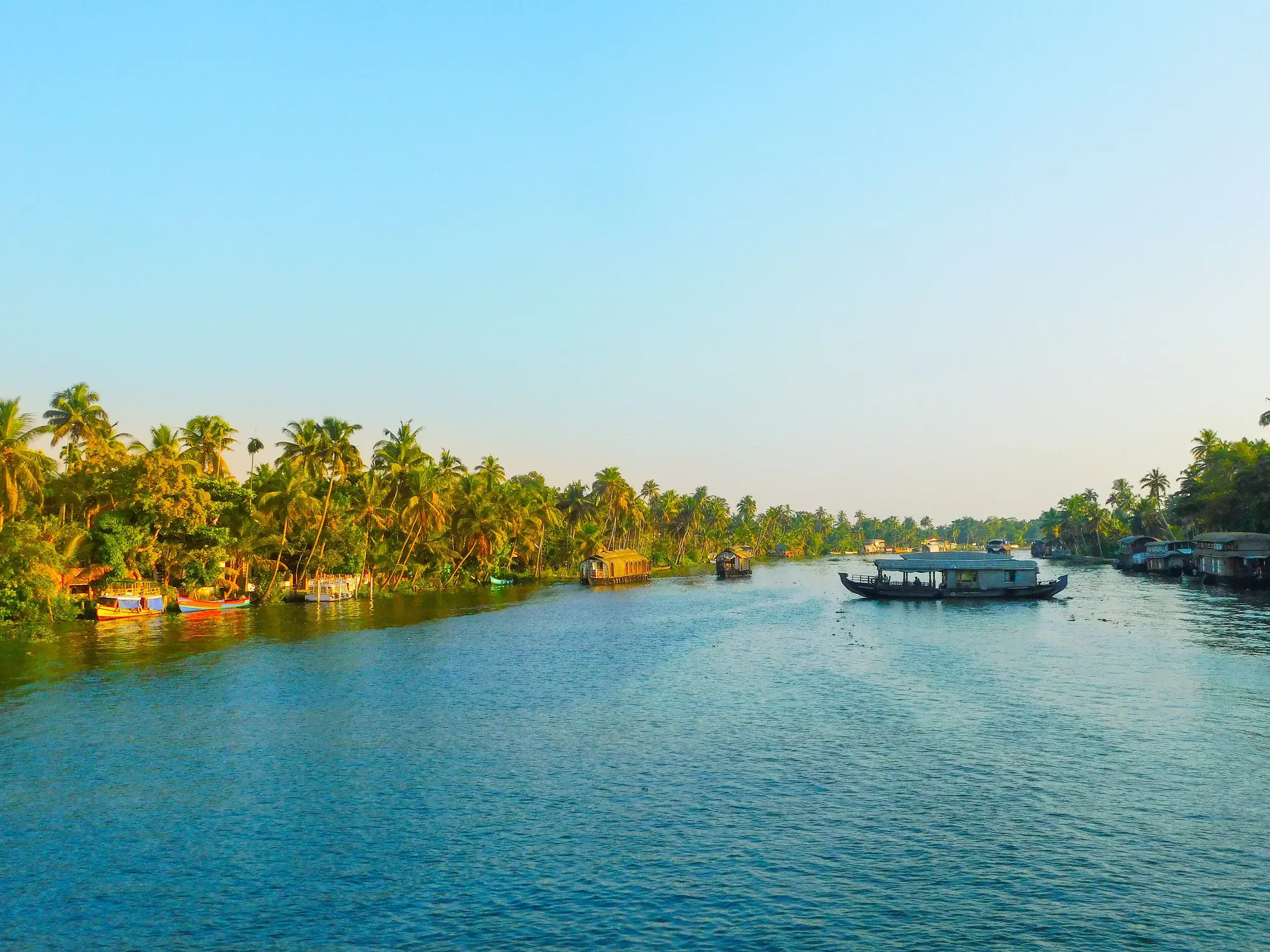
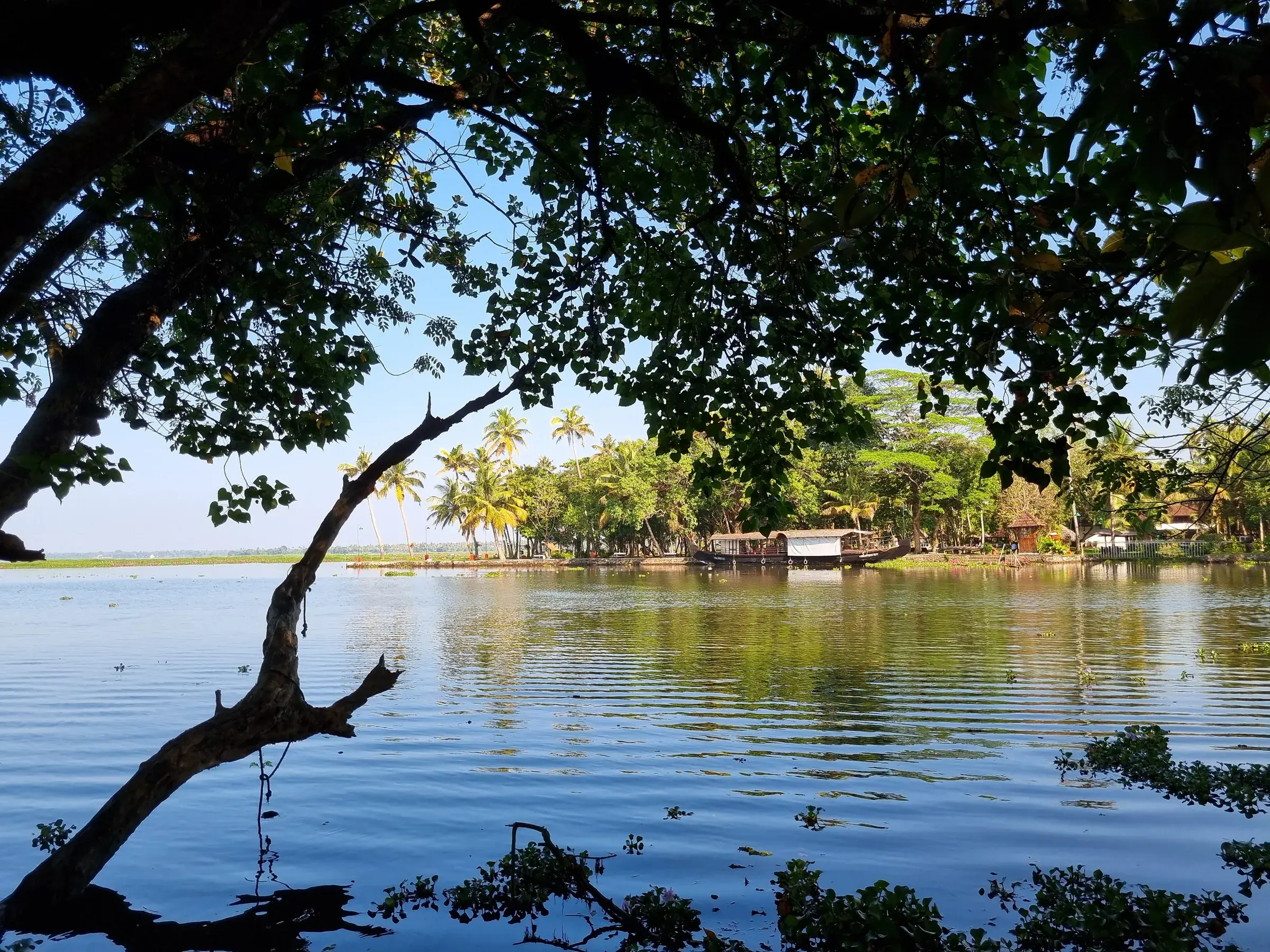
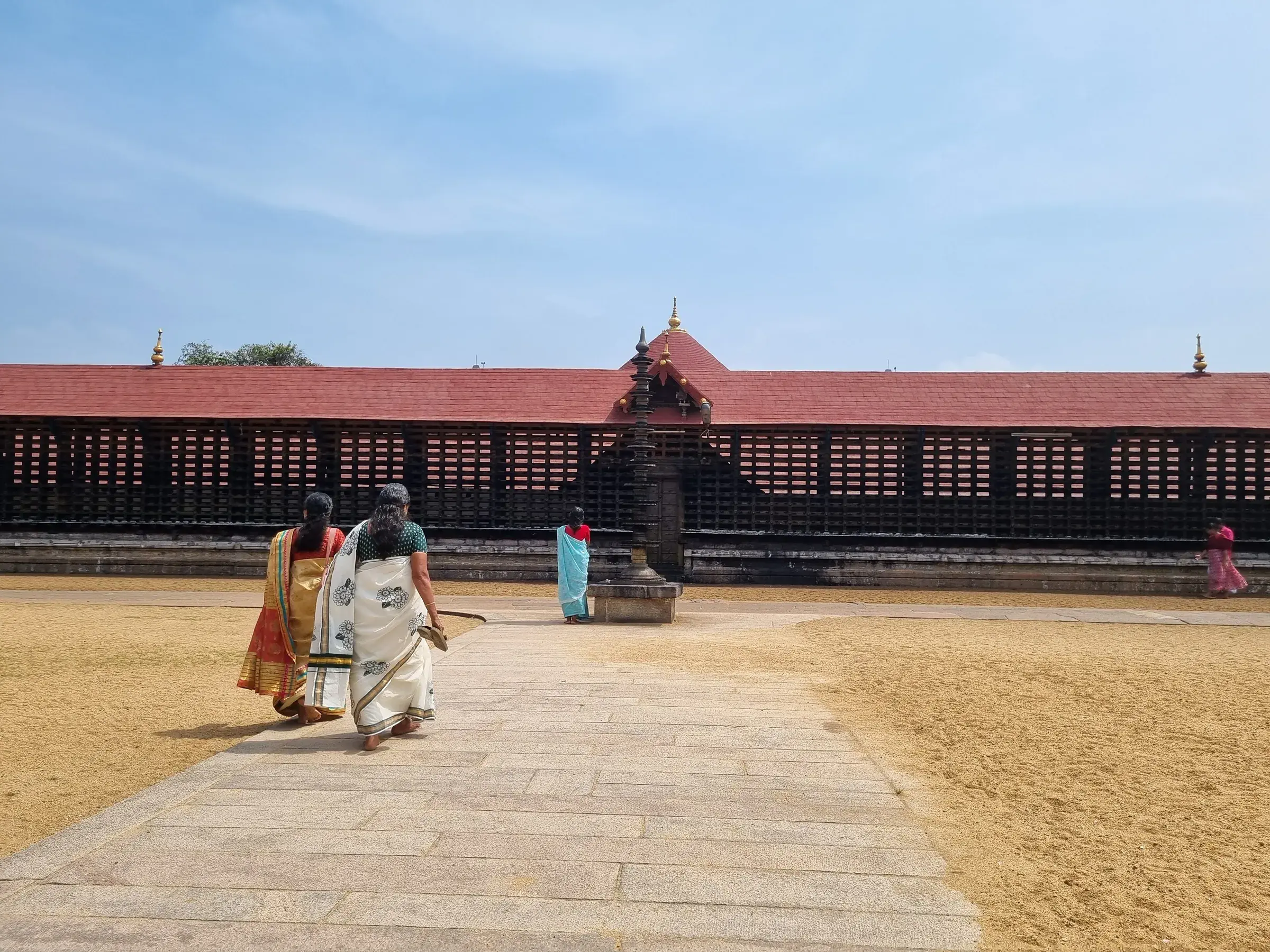
Kottayam takes its name from 'kotta-akam', the land inside the fort. It was the seat of the Thekkumkur kingdom until Marthanda Varma brought it into Travancore in the mid-eighteenth century. Its waterways linked the hills to the sea, and it became a market for pepper, and later for rubber.
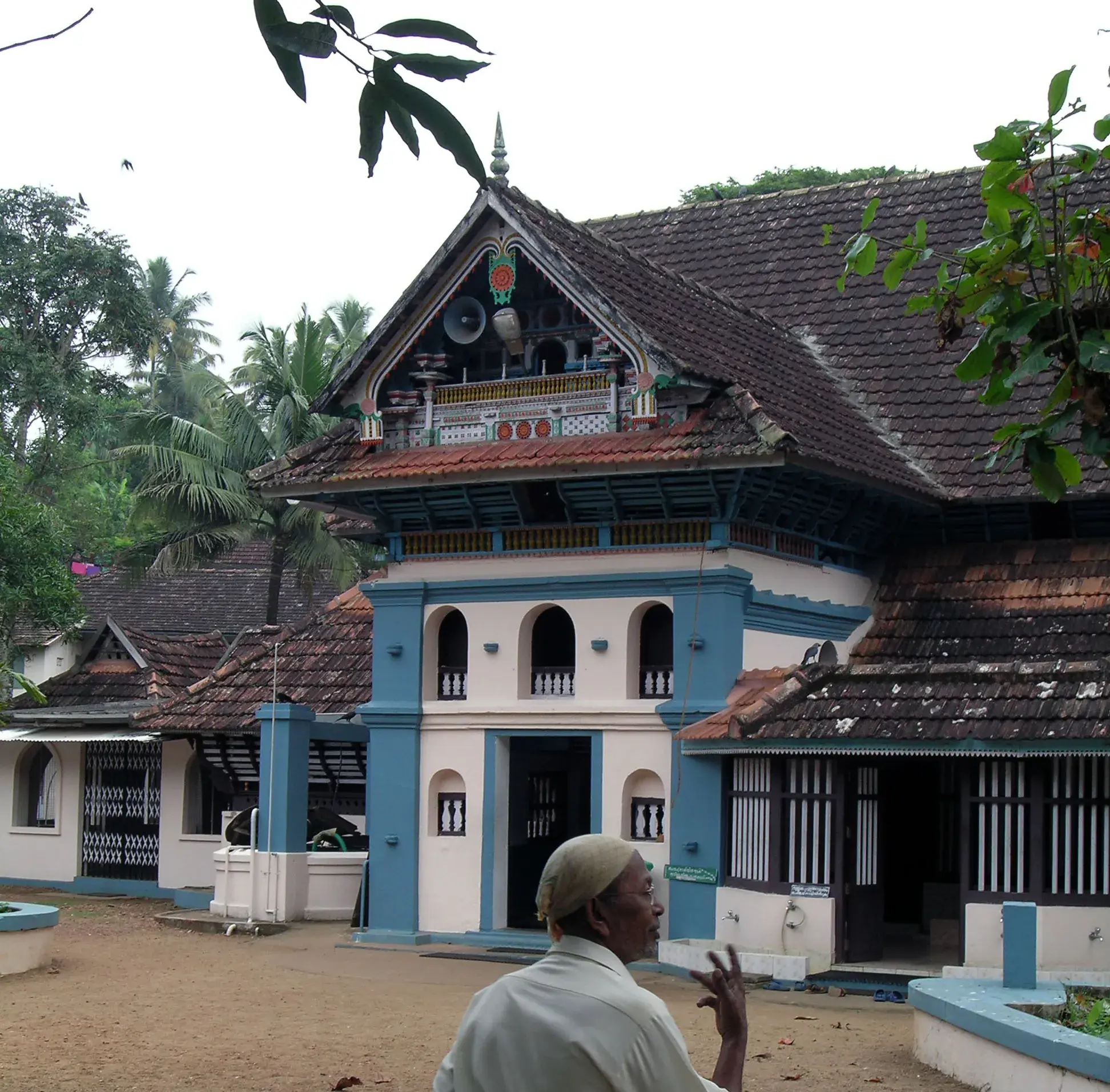
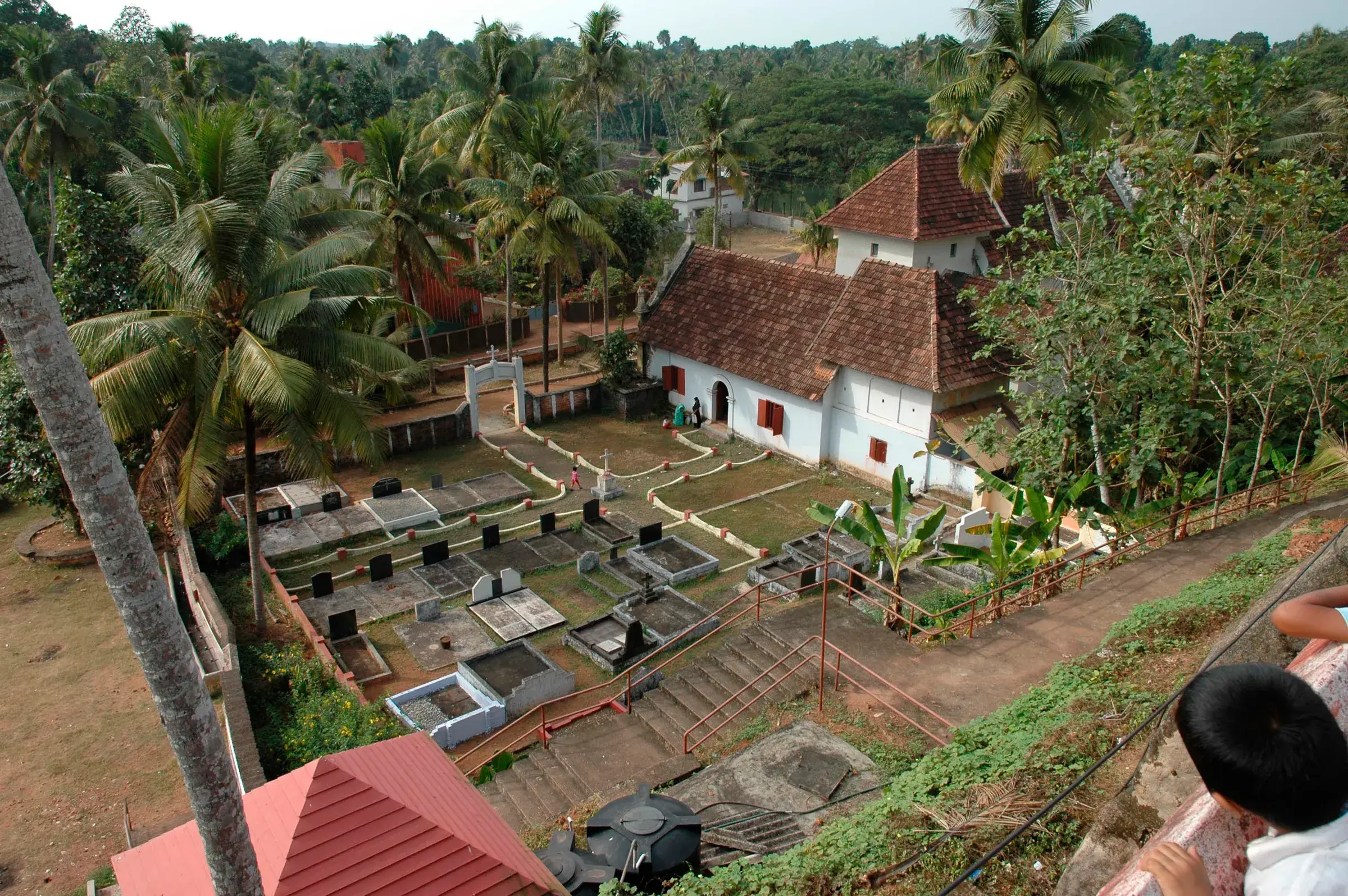
The district is a centre of Kerala's Saint Thomas Christian community. The Kottayam Valiyapally, built in 1550 for the Knanaya community, keeps carved stone crosses with inscriptions in Pahlavi, the language of Persian Christians. Not far away, the Thazhathangady Juma Masjid on the Meenachil river is believed to be about a thousand years old.
In 1821 the Church Missionary Society set up a press here, where Benjamin Bailey cut some of the first Malayalam printing types, and CMS College had already opened in 1817, among the oldest colleges in India. Newspapers followed: Deepika in 1887, and Malayala Manorama, founded in 1888. In 1945 writers founded a cooperative publishing society here, and in 1989 Kottayam became the first town in India to achieve total literacy.
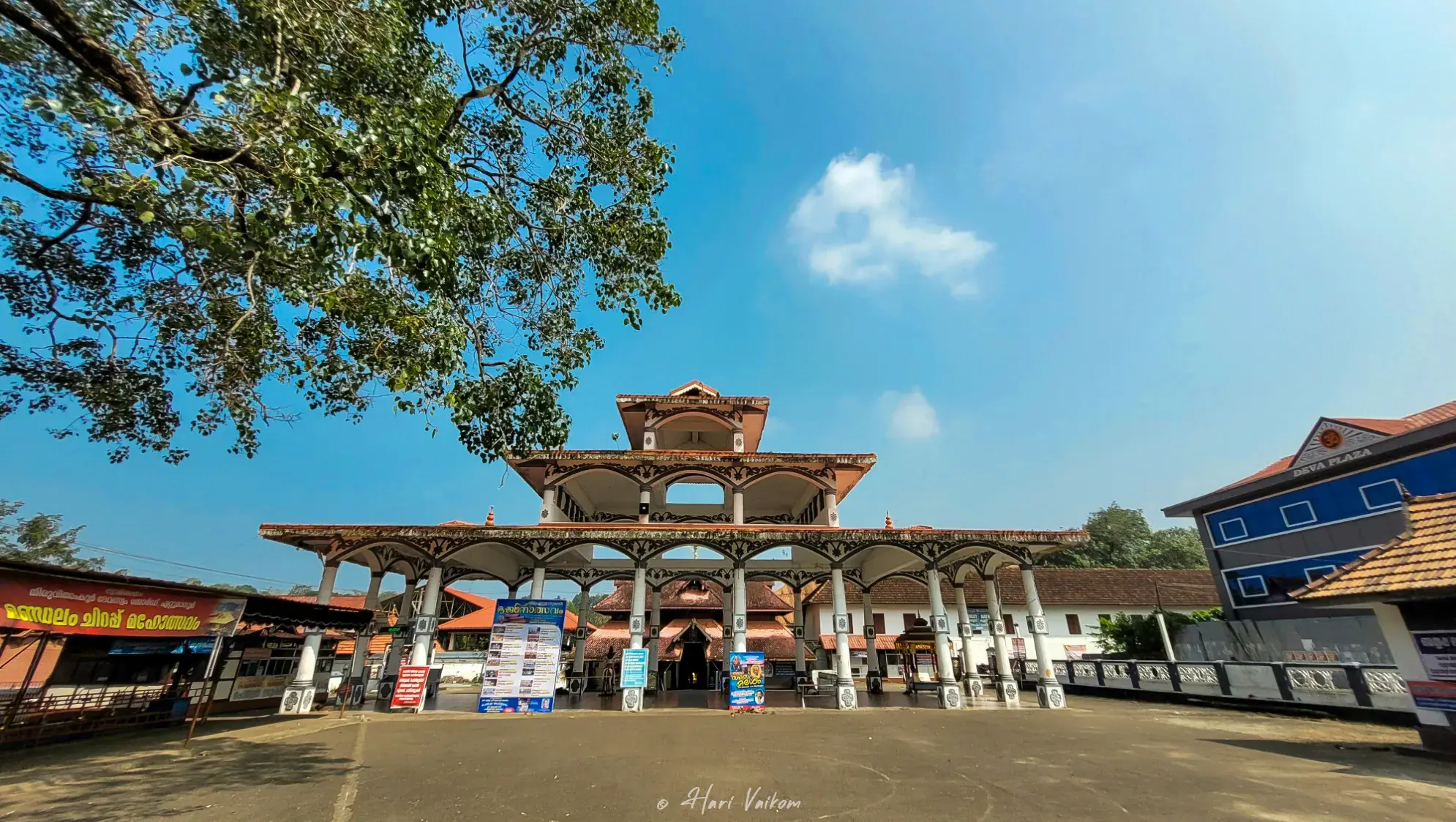
Kottayam also gave India one of its great social-reform struggles: the Vaikom Satyagraha of 1924–25, a peaceful campaign for the right of so-called lower castes to use the roads around the Vaikom temple, supported by Gandhi and led by local reformers. Today the district is the heart of India's natural rubber economy and home to the Rubber Board.