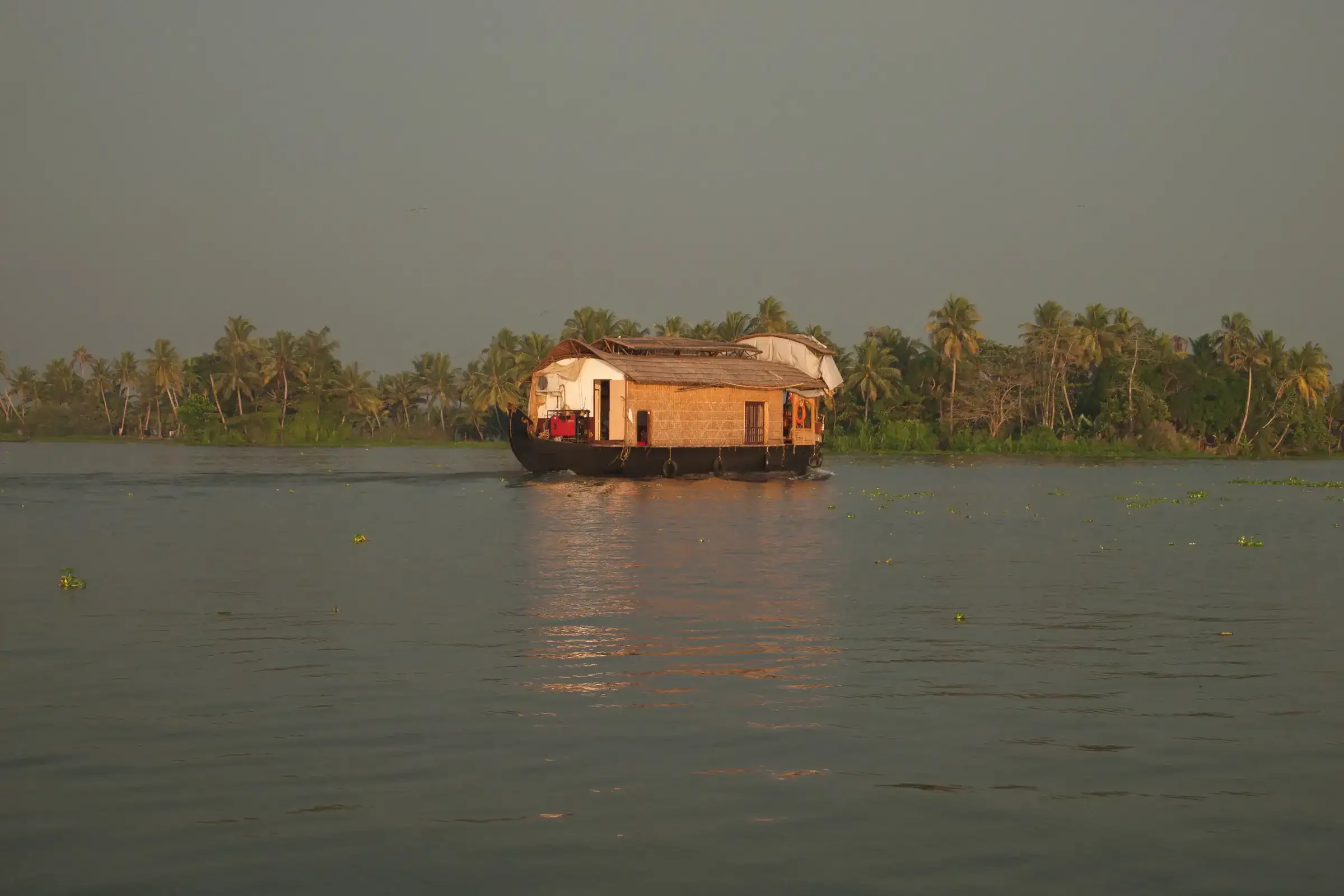
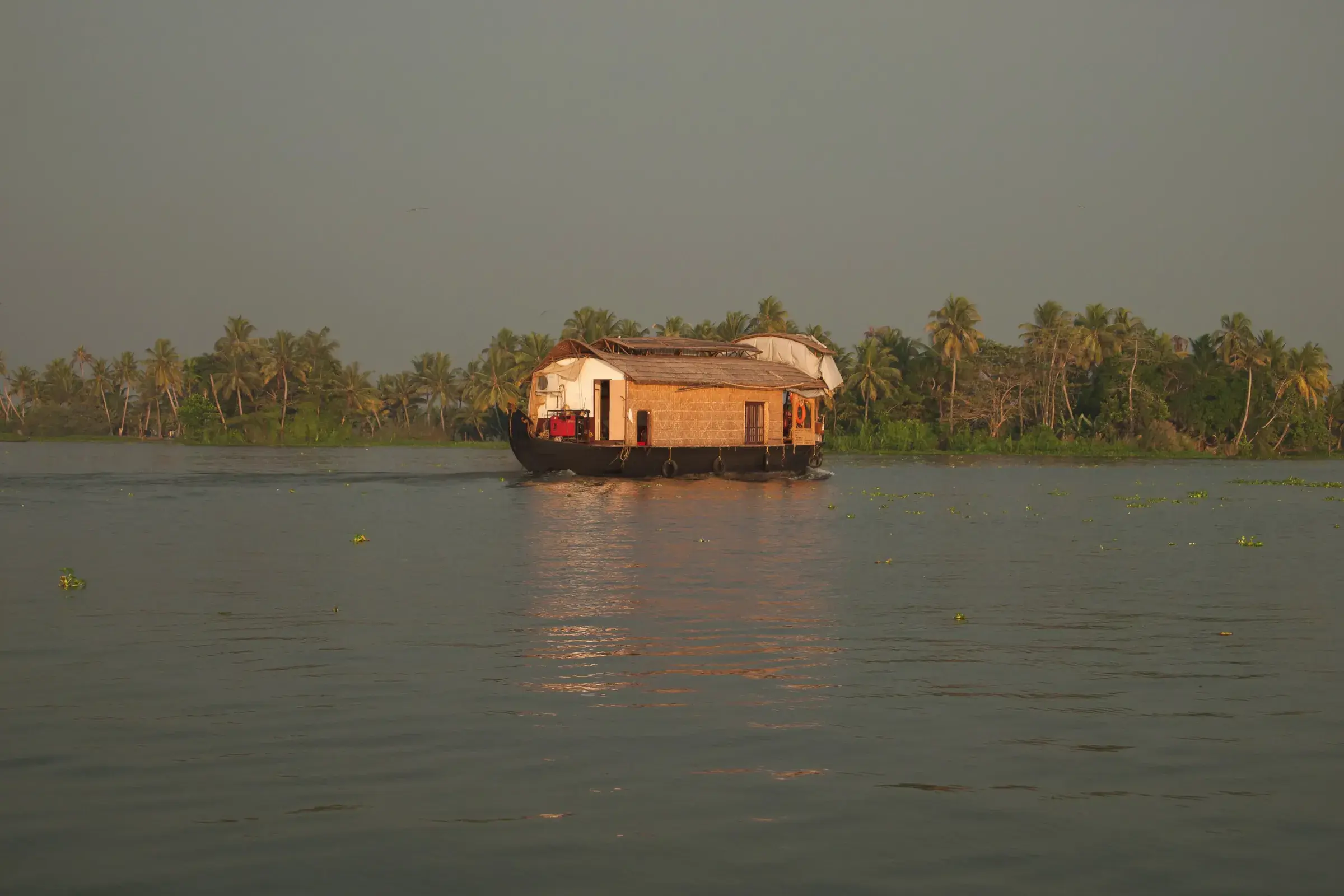
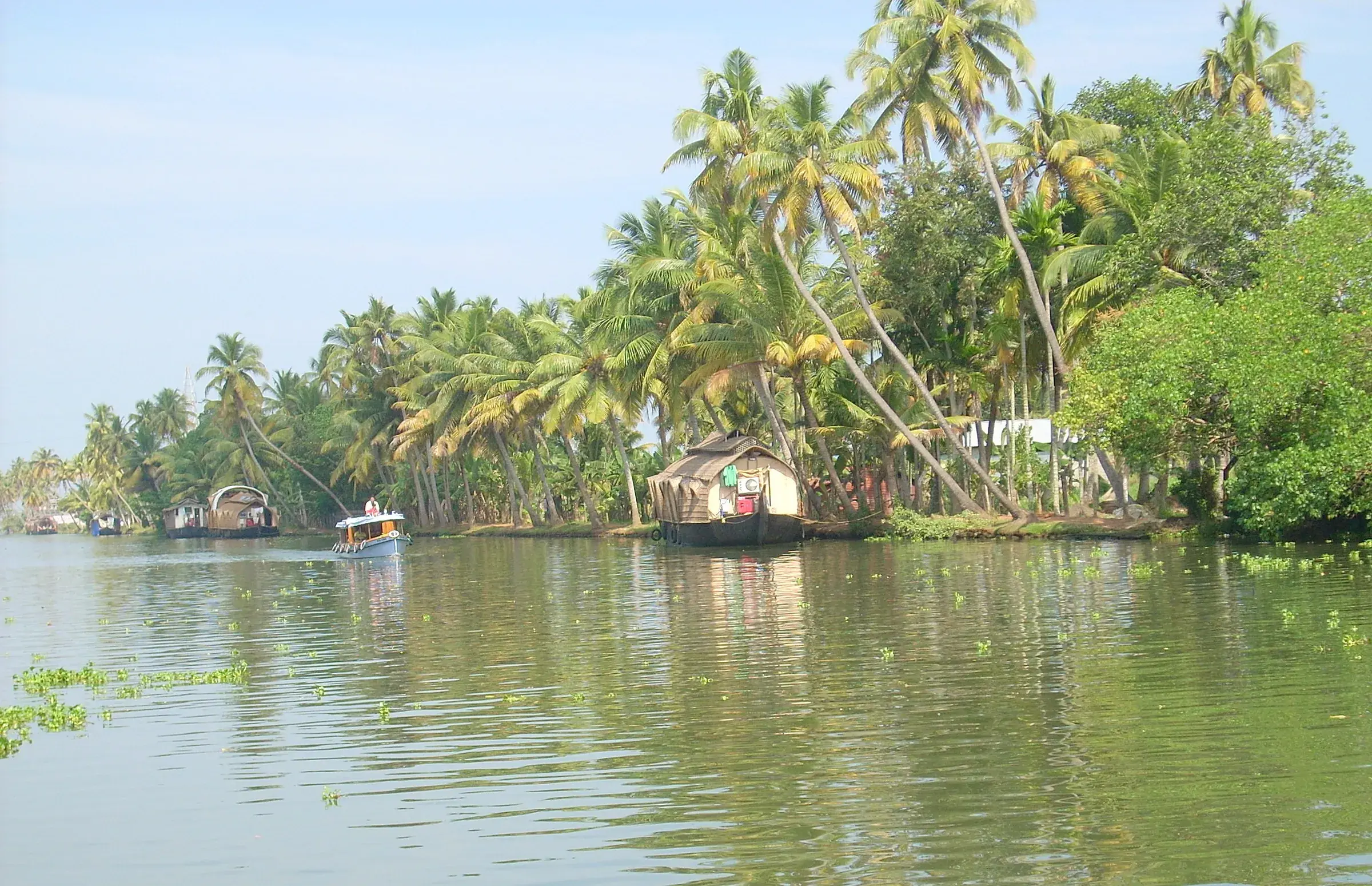
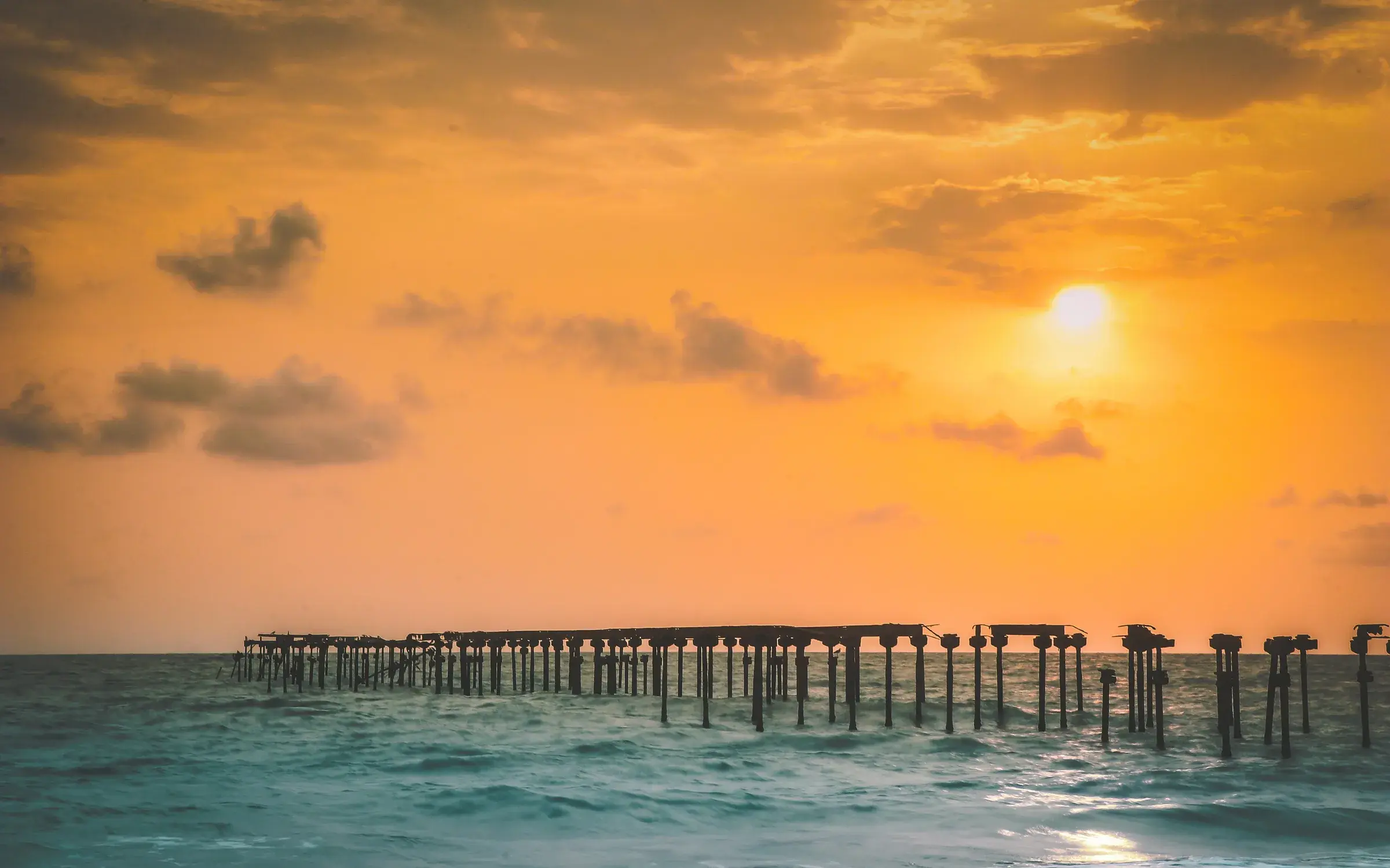
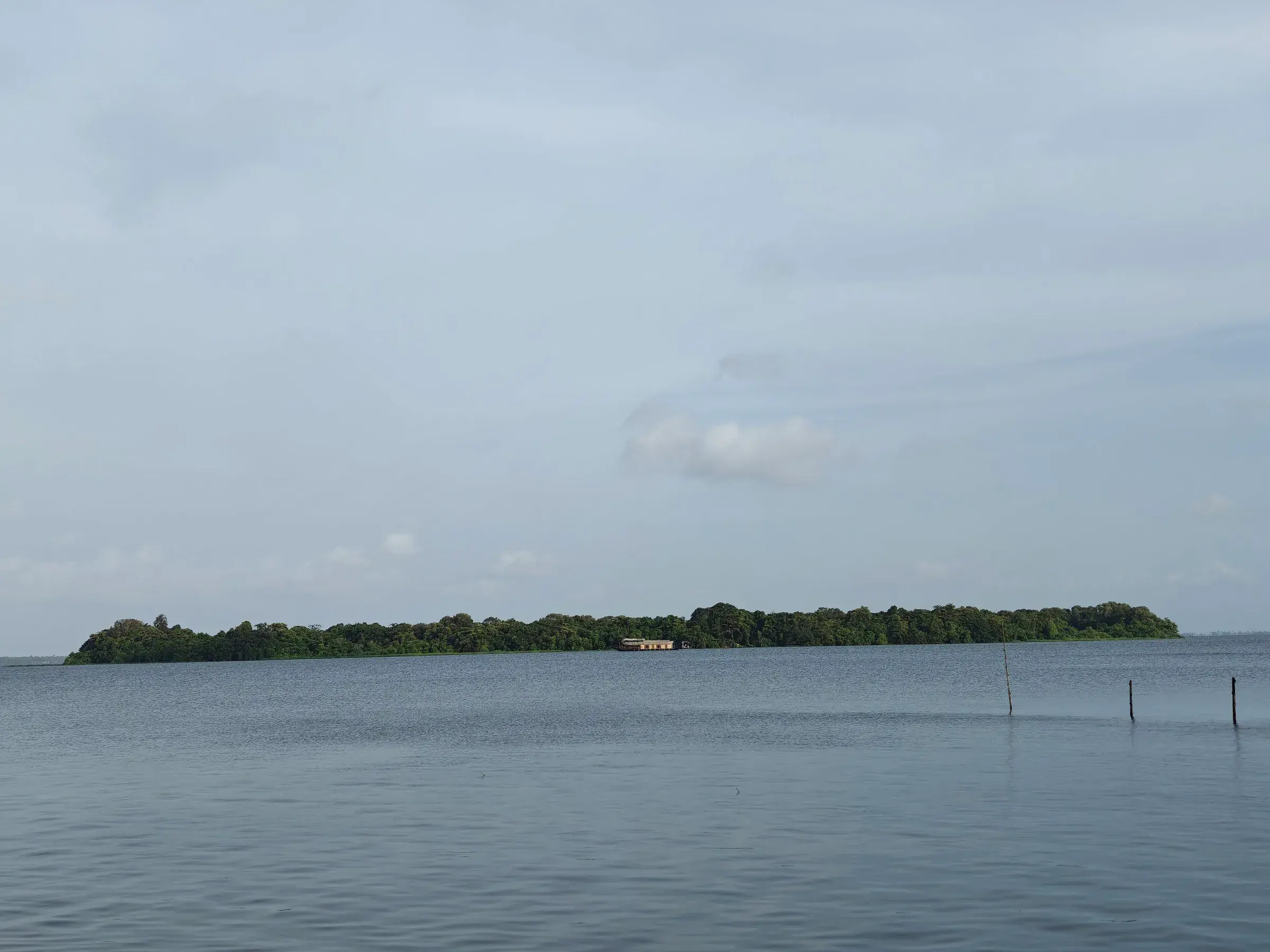
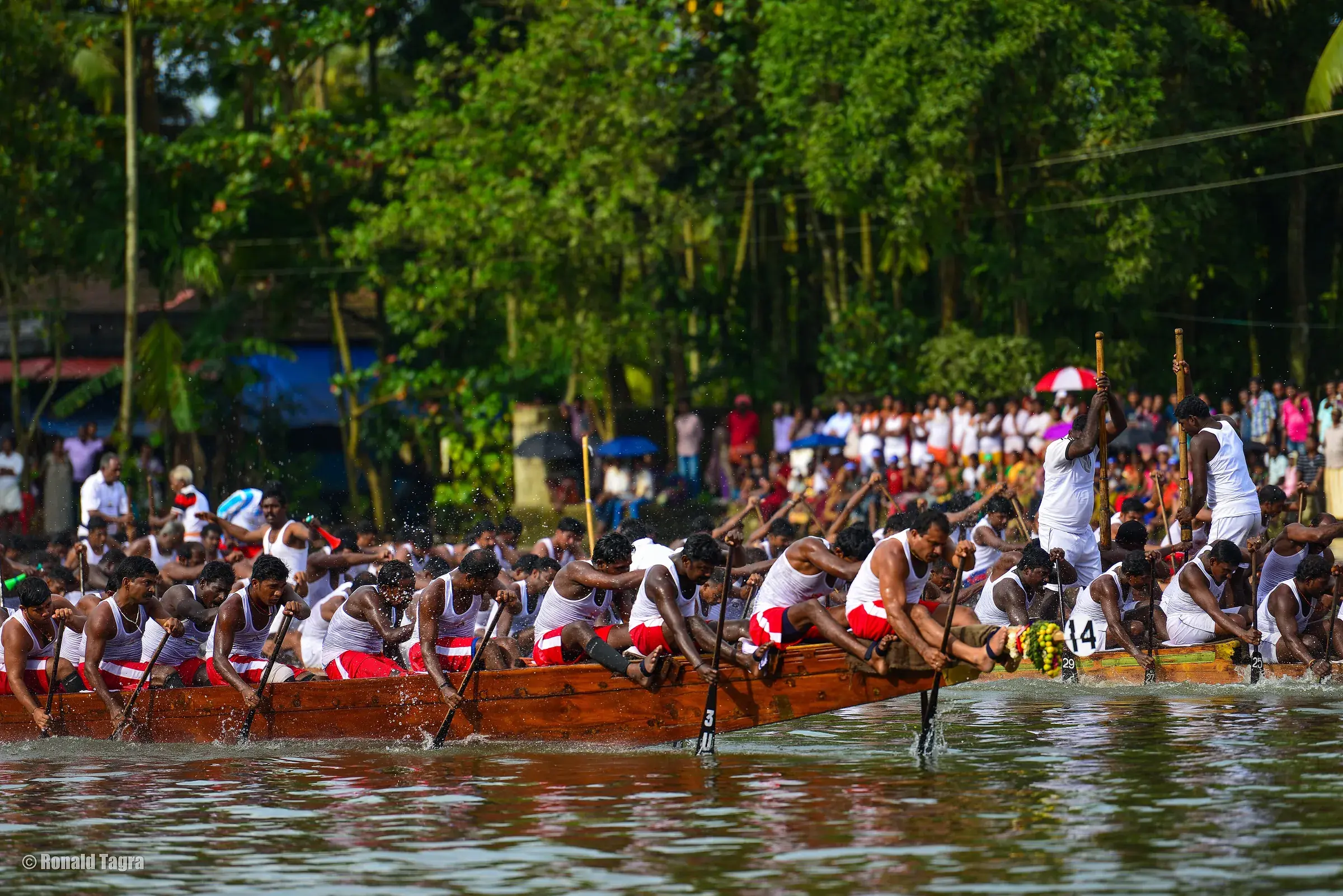
Squeezed between Vembanad Lake and the Arabian Sea, Alappuzha is a place where land and water are hard to separate. Its canals and lagoons were highways long before roads, and the town is often called the Venice of the East.
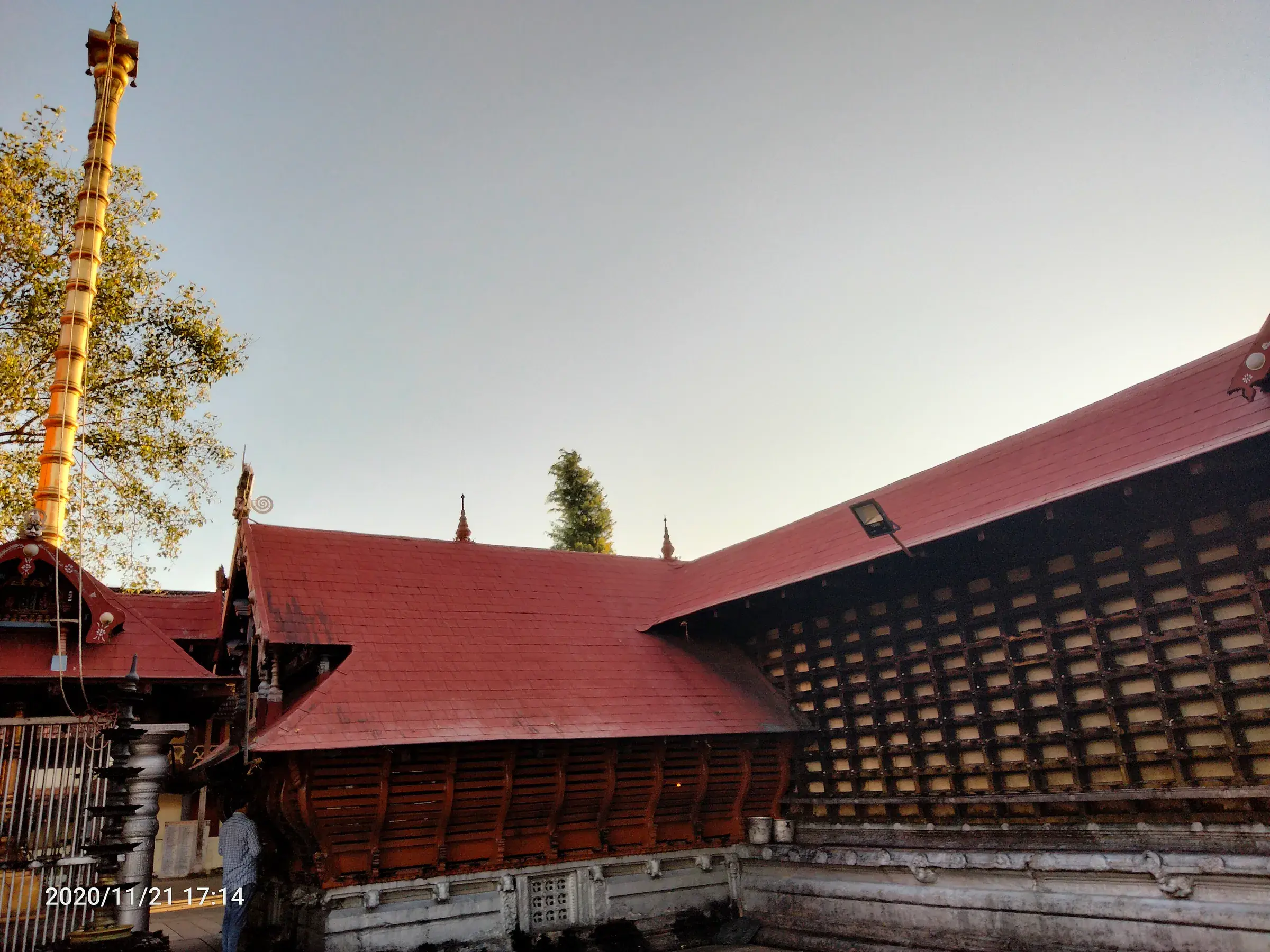
In the seventeenth and eighteenth centuries the area belonged to small principalities such as Chempakassery, whose rulers built the Ambalappuzha Sri Krishna Temple, until Marthanda Varma absorbed them into Travancore in the mid-1700s. Later in that century, Raja Kesavadas, Dewan of Travancore, developed Alappuzha as a planned port town with canals, warehouses and a seafront, and its lighthouse dates from 1862.
Industry followed: the first coir factory opened here in 1859, and Alappuzha became the capital of India's coir trade. Its workers became politically organised early, and in October 1946 the Punnapra–Vayalar uprising — a revolt against the Dewan of Travancore, Sir C. P. Ramaswami Iyer — was crushed with heavy loss of life. It remains one of the defining events of Kerala's left movement.
Inland lies Kuttanad, where farmers grow rice on land reclaimed from the lake, as much as two metres below sea level. The Thanneermukkom saltwater barrier, completed in 1975, keeps the sea from the fields, and in 2013 the FAO recognised the Kuttanad farming system as a Globally Important Agricultural Heritage System. When Jawaharlal Nehru watched a snake-boat race here in 1952, he was so moved that he donated a trophy — and the Nehru Trophy race was born.