Hills
01
Kottakkunnu
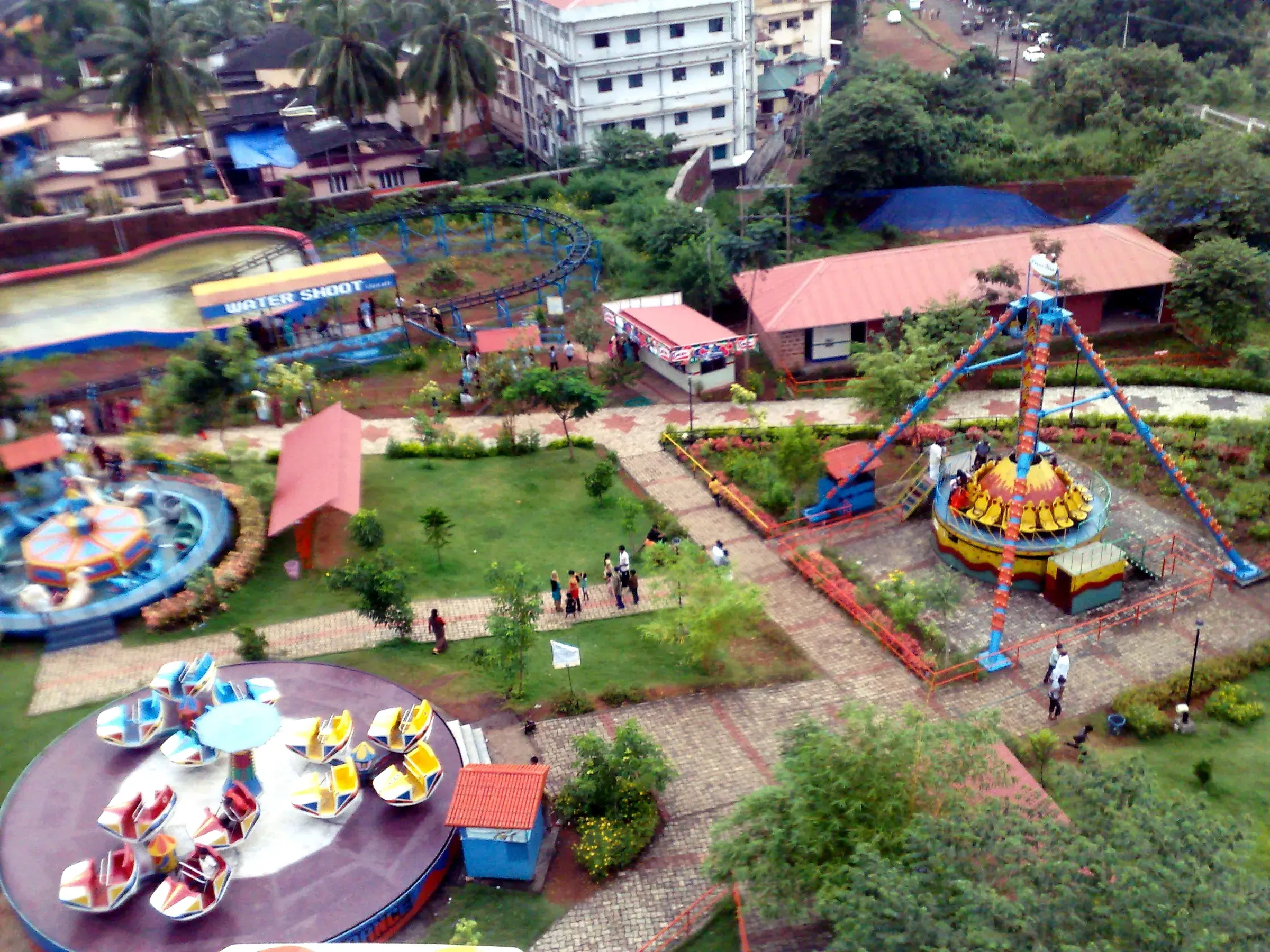
The 'fort hill' rising over Malappuram town, once a military post, now a park with gardens, a light-and-sound show and wide views at sunset.
Best time · September – March
Google Maps(opens Kottakkunnu in Google Maps, new tab)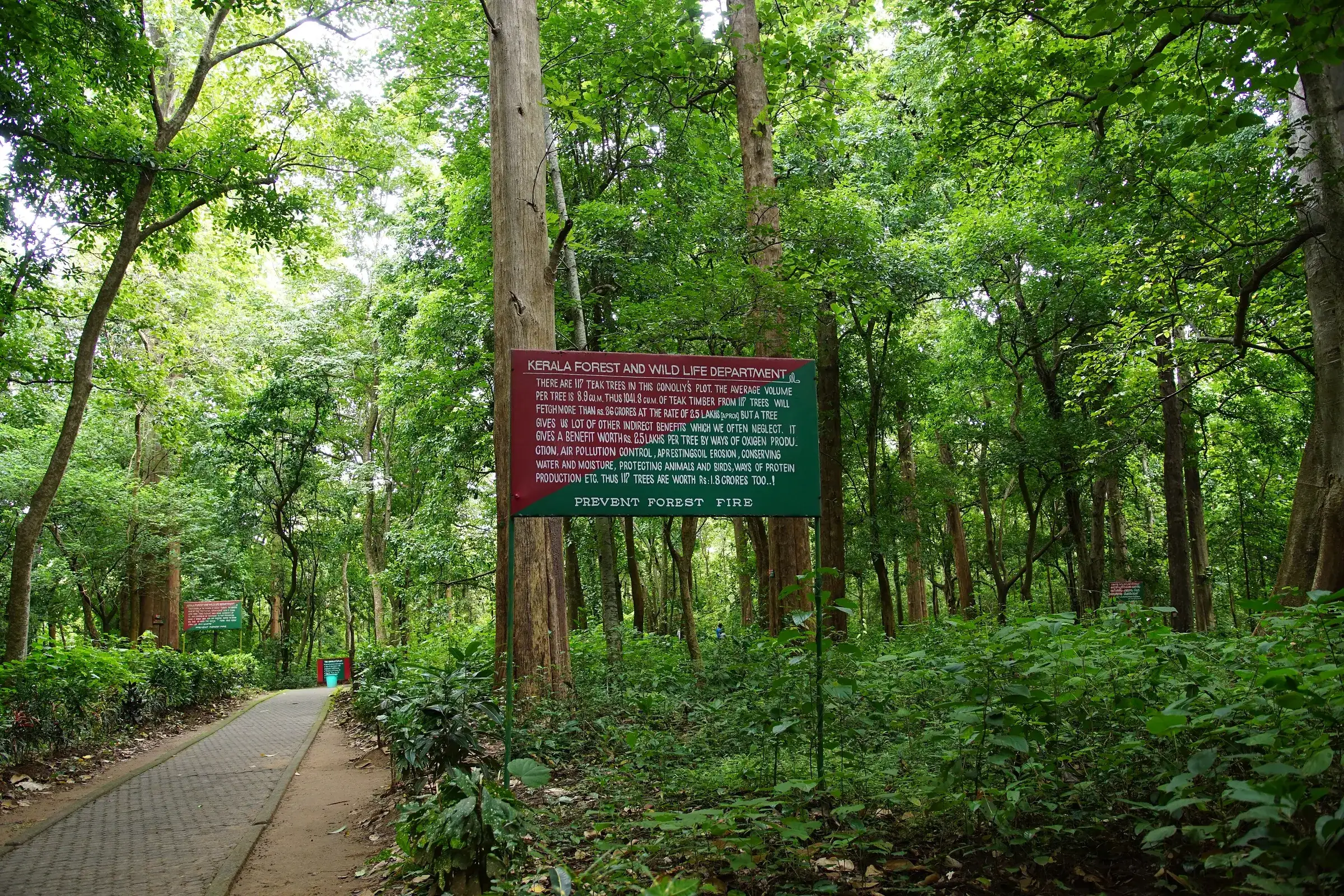
District 10 of 14
മലപ്പുറം
Land of poets, healers and the Nila.
Kerala's most populous district — the birthplace of the Malayalam language's 'father', the seat of Kottakkal's Ayurveda, and the site of the medieval Mamankam on the banks of the Bharathapuzha.
Formed
16 June 1969
Headquarters
Malappuram
Area
3,550 km²
Population
41,12,920
Census of India 2011
Known for
History
Malappuram means 'land atop the hills'. Along its southern edge flows the Bharathapuzha, the Nila, and on its banks at Thirunavaya the Mamankam was held every twelve years: a great festival and trade fair presided over by the Zamorin of Calicut. Warriors of the rival Valluvanad kingdom would attack the Zamorin's guard knowing they would die, and the last Mamankam took place in the mid-eighteenth century.
Near Tirur, in the sixteenth century, Thunchath Ramanujan Ezhuthachan wrote the Adhyatma Ramayanam Kilippattu in a Malayalam close to everyday speech, earning him the title 'father of the Malayalam language'. On Vijayadasami, children still write their first letters in the sand at his birthplace, Thunchan Parambu.
Ponnani became a celebrated centre of Islamic learning — the 'Mecca of Kerala'. There Zainuddin Makhdoom II wrote the Tuhfat ul-Mujahidin, a sixteenth-century history of resistance against the Portuguese. In 1921 the region was the centre of the Malabar rebellion against British rule and landlord power; its suppression included the Wagon Tragedy, when dozens of prisoners suffocated in a closed railway wagon.
In 1902 Vaidyaratnam P. S. Varier founded the Arya Vaidya Sala at Kottakkal, which became one of the world's best-known Ayurveda institutions. At Nilambur, British collector H. V. Conolly began a teak plantation in the 1840s that is considered the oldest in the world. The district was formed in 1969 from parts of Kozhikode and Palakkad.
Places to visit
Seasons are a guide: the south-west monsoon arrives in June and the north-east rains in October–November.
The 'fort hill' rising over Malappuram town, once a military post, now a park with gardens, a light-and-sound show and wide views at sunset.
Best time · September – March
Google Maps(opens Kottakkunnu in Google Maps, new tab)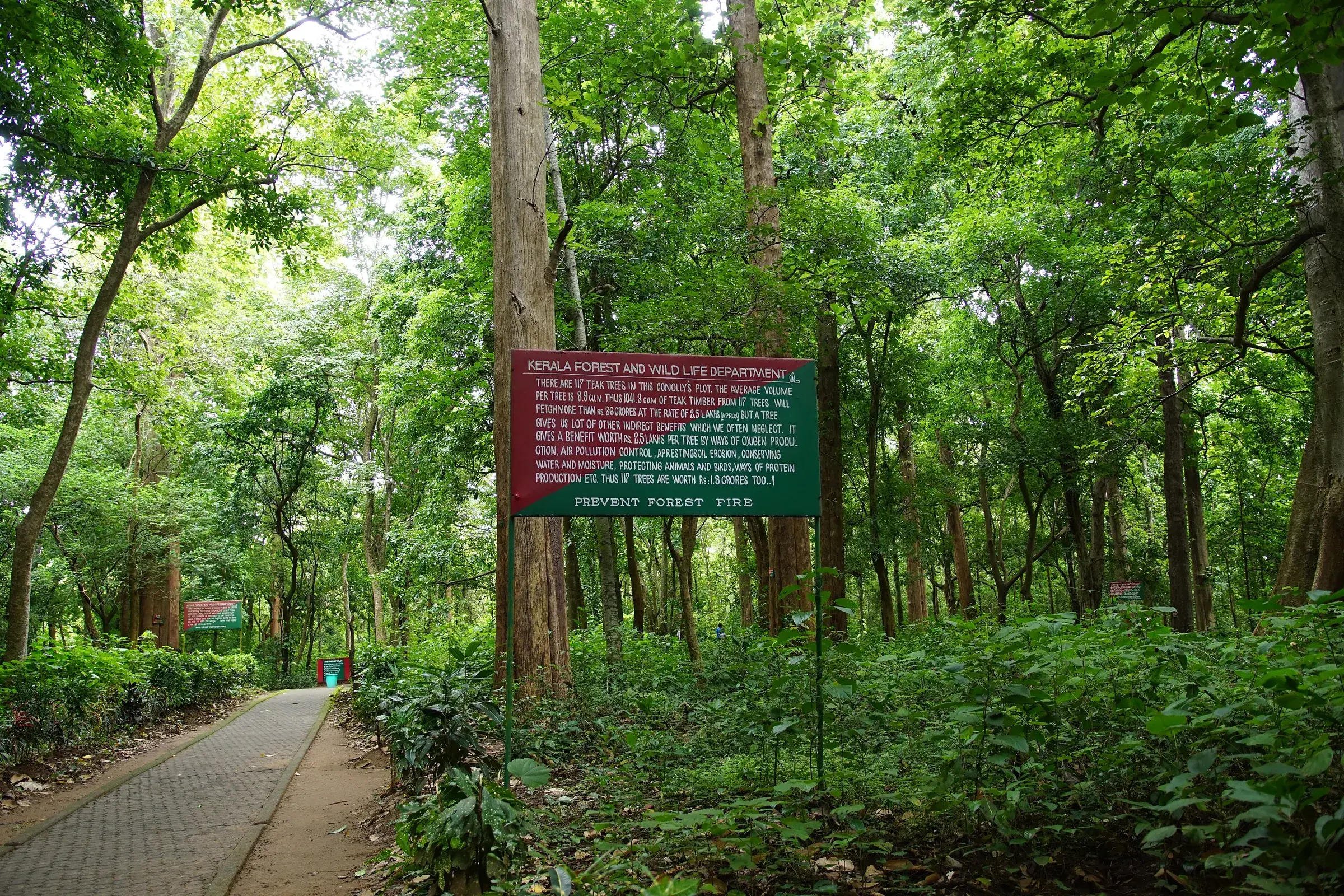
Reached by a hanging bridge over the Chaliyar river, the world's oldest teak plantation still holds trees of immense girth. Nearby, the Teak Museum tells the story of Nilambur's timber.
Best time · October – March
Google Maps(opens Conolly's Plot, Nilambur in Google Maps, new tab)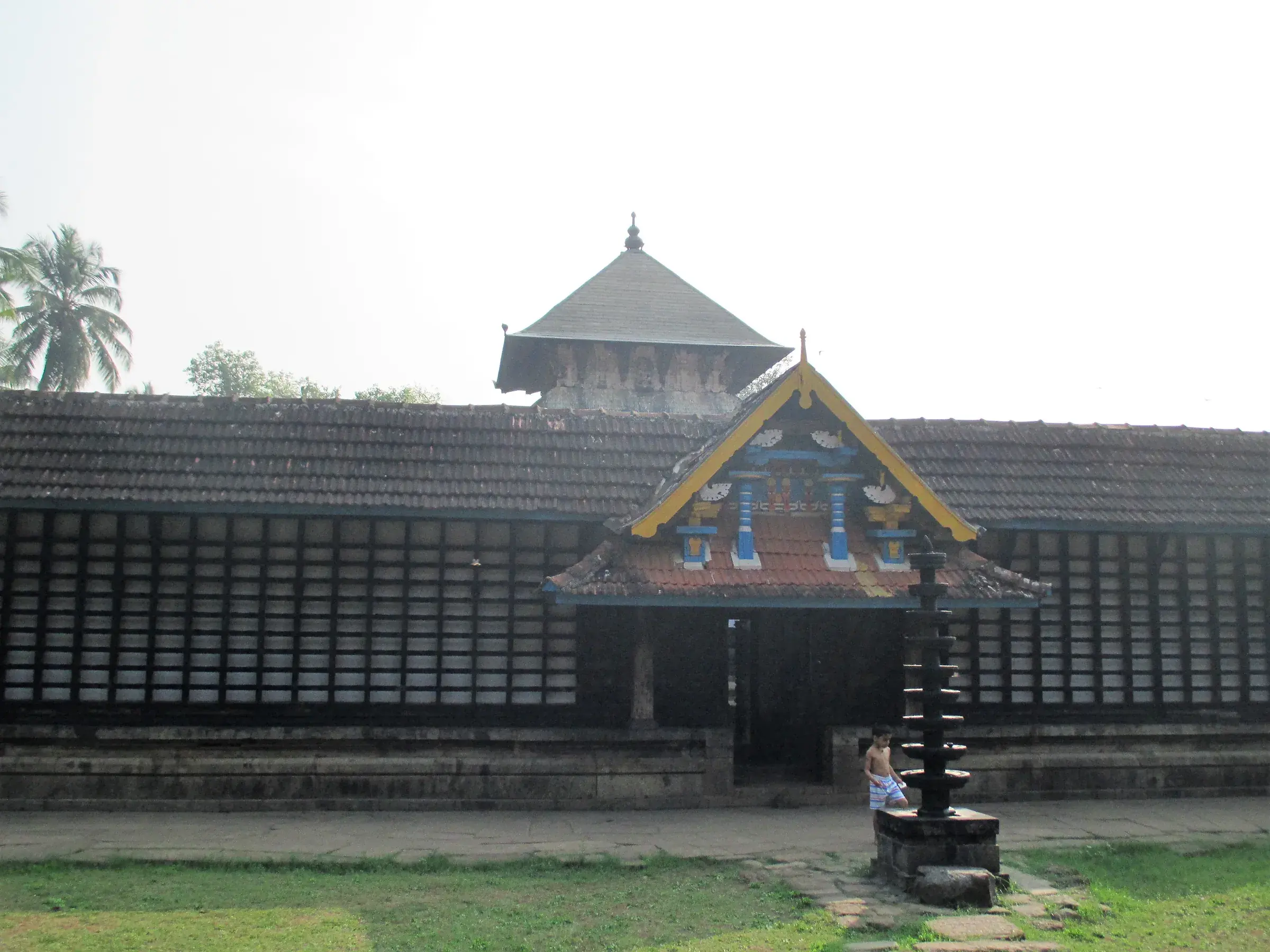
The Navamukunda temple stands on the riverbank where the Mamankam once took place. Memorial stones and wells linked to the Chaver warriors survive nearby.
Best time · October – March
Google Maps(opens Thirunavaya in Google Maps, new tab)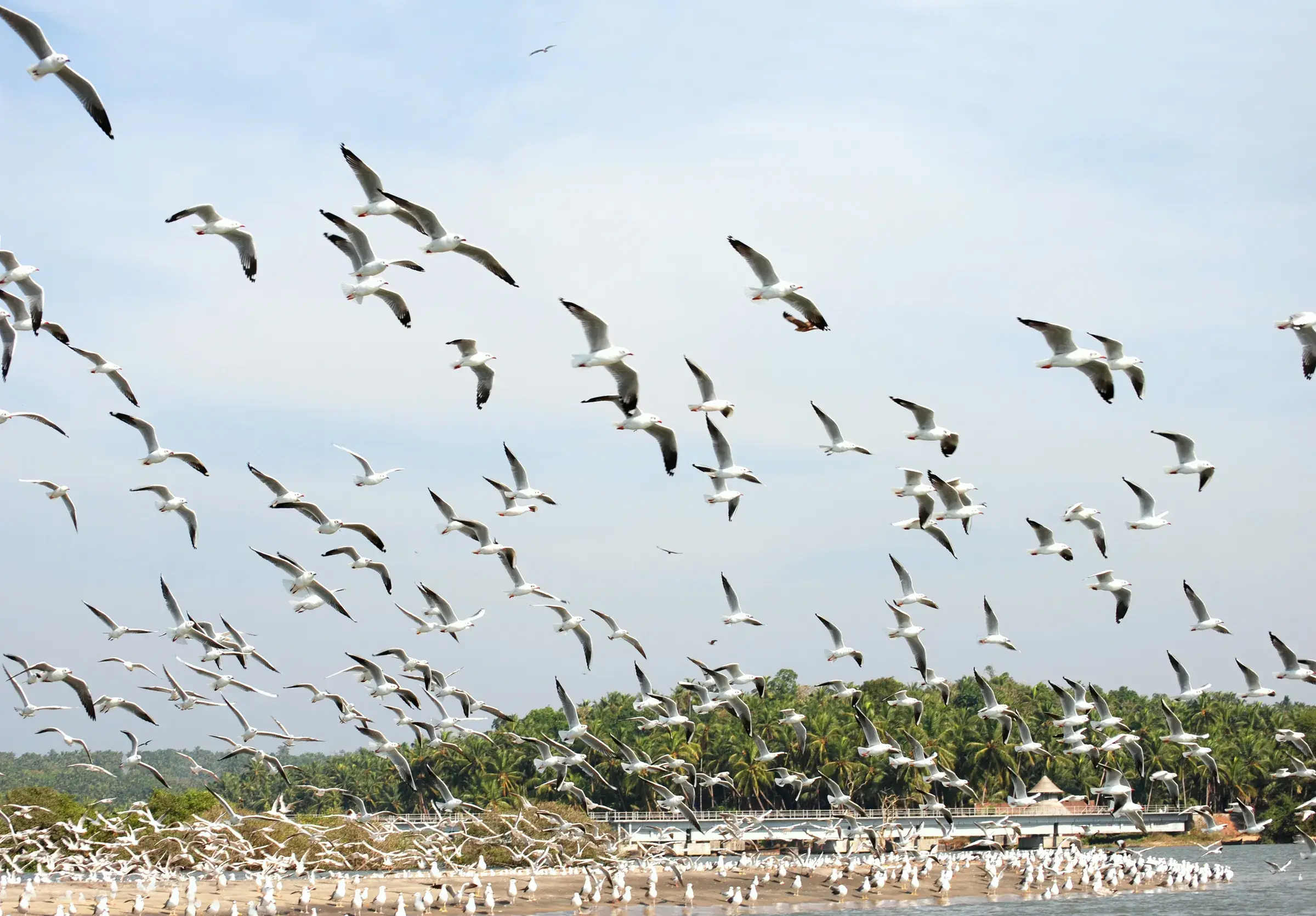
A cluster of islands and mudflats where the Kadalundi river meets the sea, on the border with Kozhikode. In winter, gulls, terns and waders arrive in thousands. Part of Kerala's first community reserve.
Best time · November – March
Google Maps(opens Kadalundi Bird Sanctuary in Google Maps, new tab)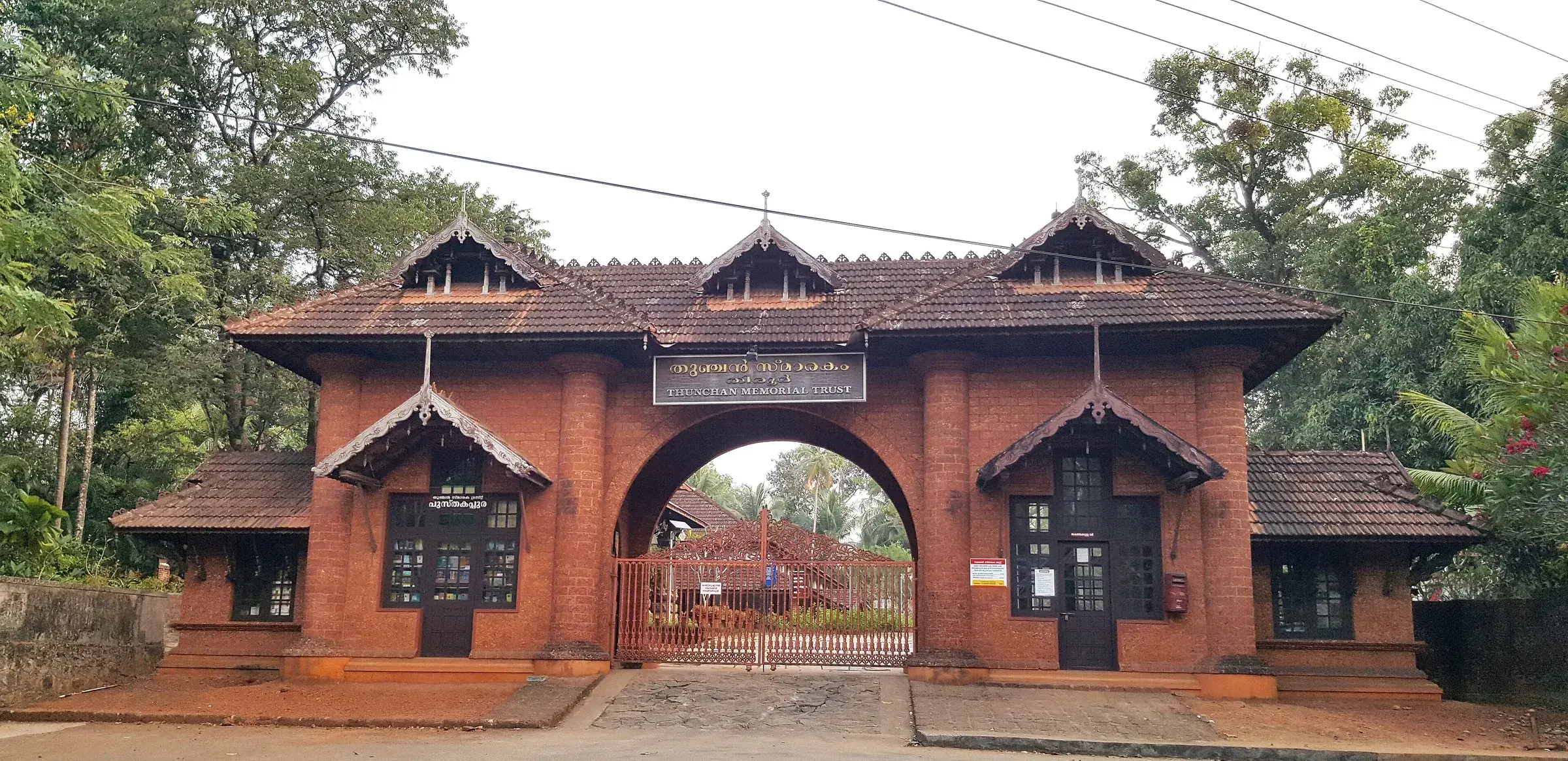
The birthplace of Thunchath Ezhuthachan in Tirur, now a memorial and cultural centre. Thousands of children are initiated into letters here on Vijayadasami.
Best time · September – October (Vidyarambham)
Google Maps(opens Thunchan Parambu in Google Maps, new tab)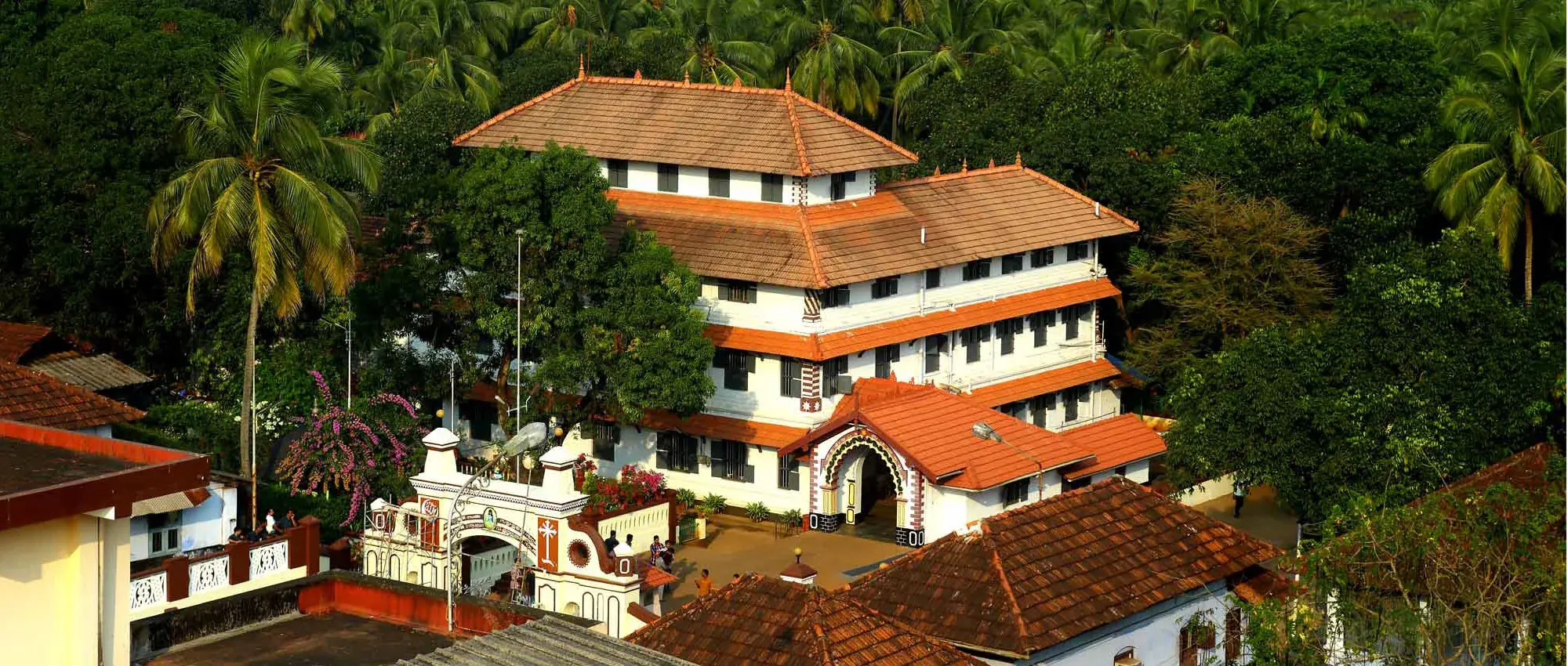
Founded in 1902, this charitable institution runs hospitals, herb gardens and a medicine factory, and keeps alive a Kathakali troupe — the PSV Natyasangham — begun by its founder.
Best time · June – August (traditional Ayurveda season) · year-round
Google Maps(opens Arya Vaidya Sala, Kottakkal in Google Maps, new tab)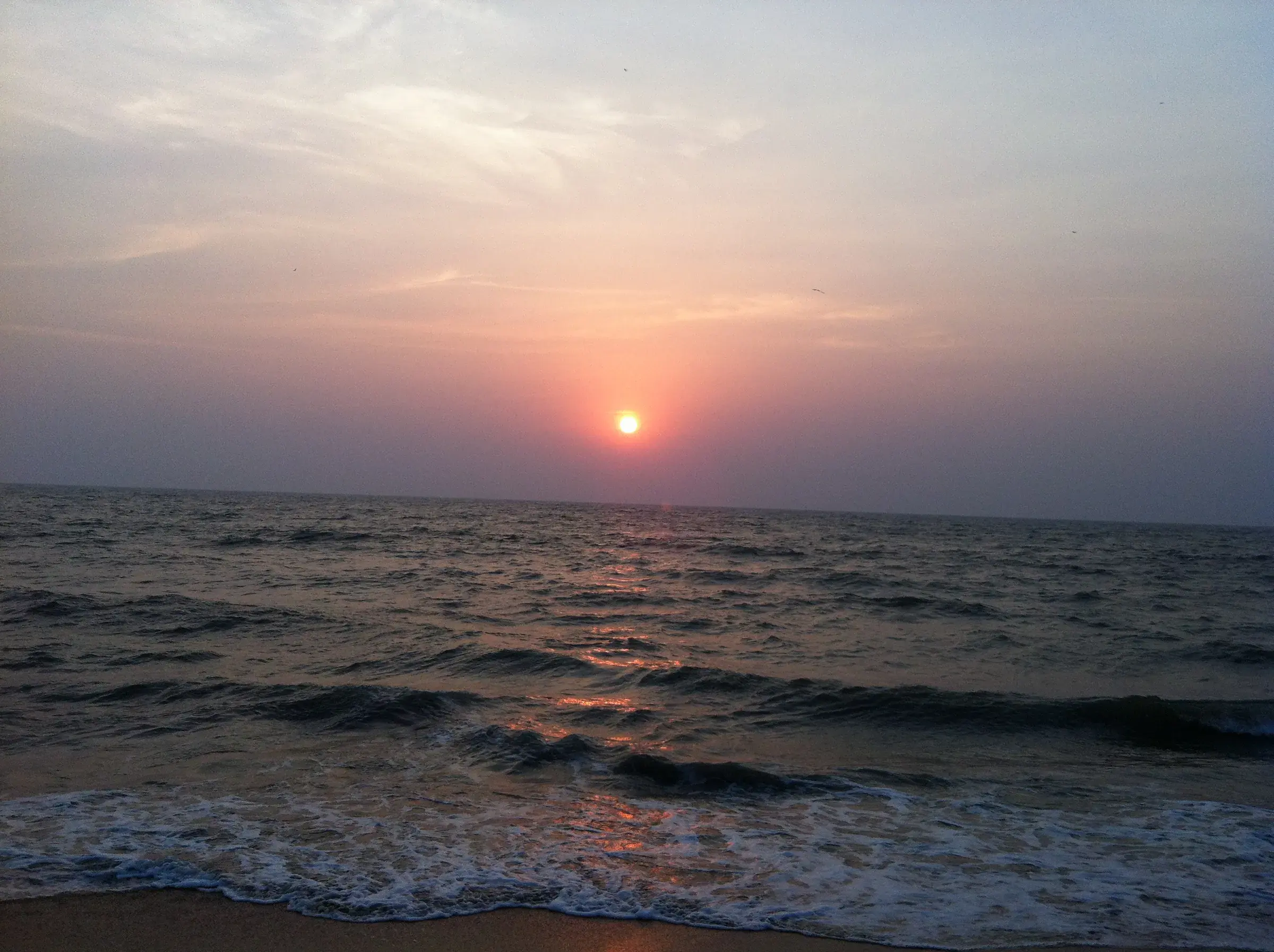
An old port at the mouth of the Bharathapuzha, with a historic mosque that drew students from across the Indian Ocean, a lighthouse and a long sunset beach.
Best time · October – March
Google Maps(opens Ponnani in Google Maps, new tab)Taste, celebrate, perform
ഭക്ഷണം
Pathiri
Paper-thin rice-flour flatbreads, soft and white, eaten with chicken or mutton curry.
Alisa
Wheat and meat slow-cooked into a creamy porridge, served at weddings and during Ramadan.
Unnakkaya
Ripe plantain shells stuffed with sweet egg, coconut and cashew, then fried.
ഉത്സവങ്ങൾ
Vidyarambham
On Vijayadasami, children write their first letters at Thunchan Parambu.
Nercha festivals
Commemorations at mosques and shrines, such as Kondotty's, with processions and shared meals.
കലകൾ
Oppana
A wedding dance of clapping and song performed by women around the bride.
Mappilappattu
Songs blending Malayalam and Arabic, shaped by poets such as Moyinkutty Vaidyar of Kondotty.
Sevens football
Malappuram's passion: packed seasonal tournaments of seven-a-side football.