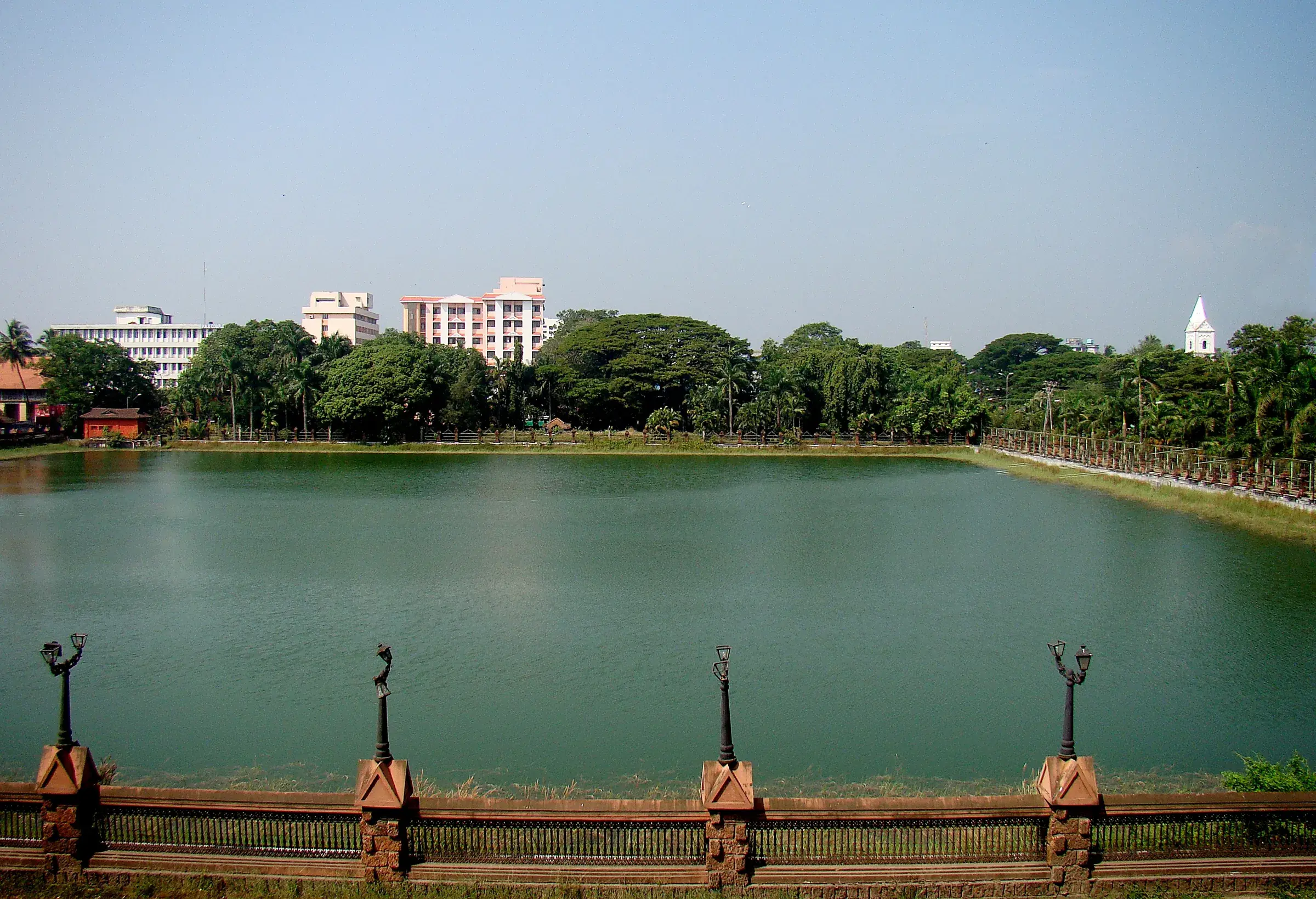
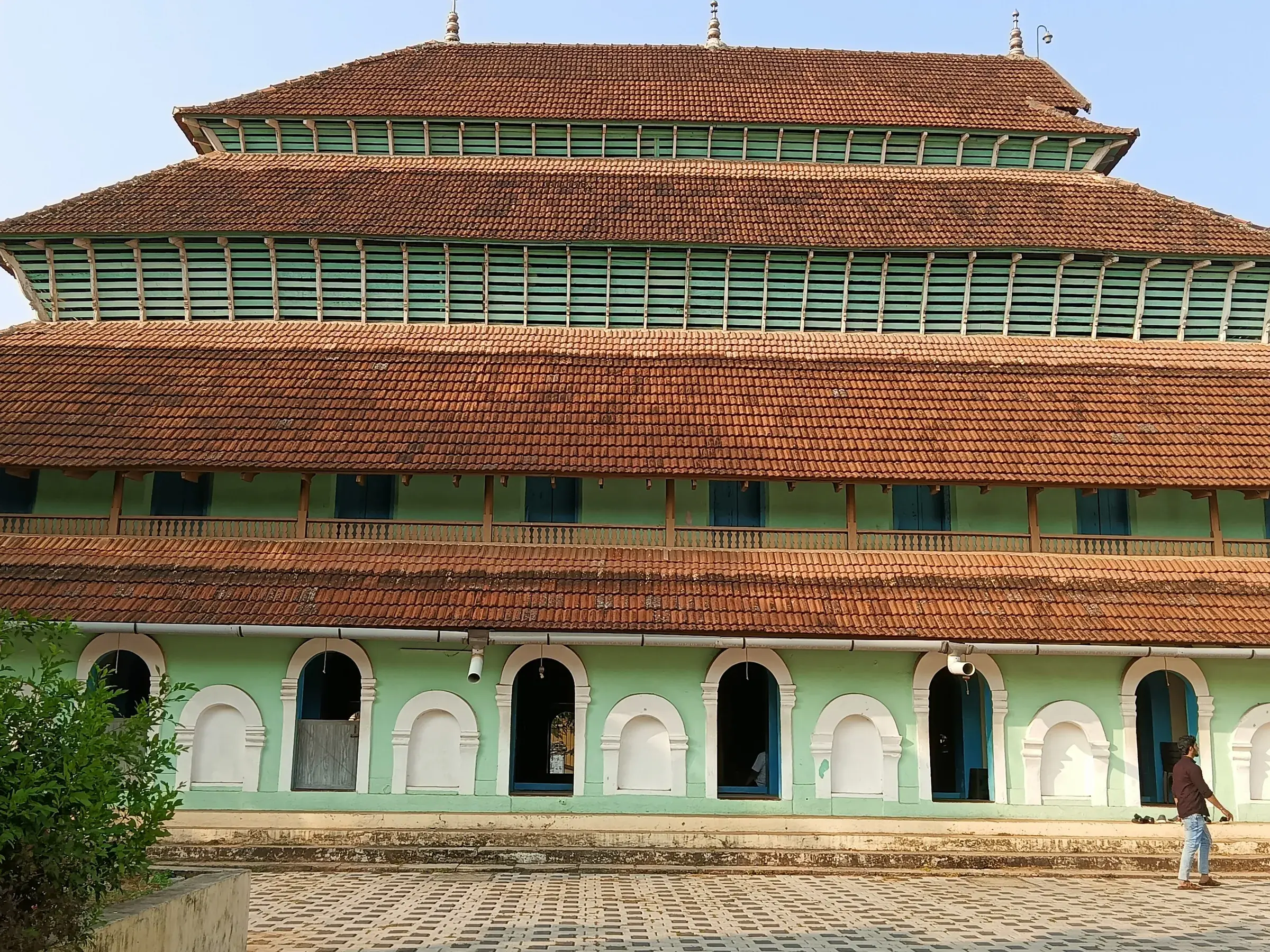
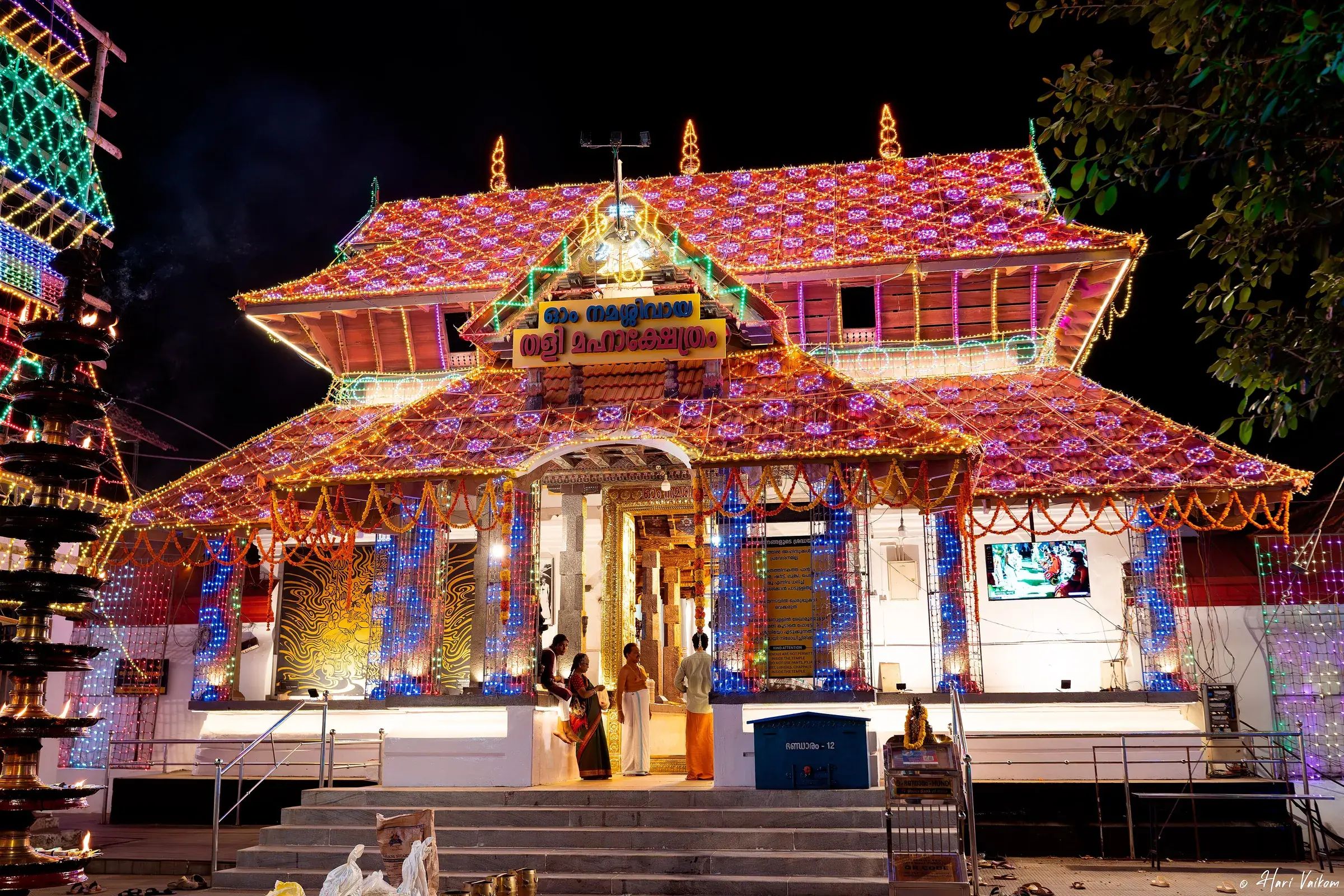
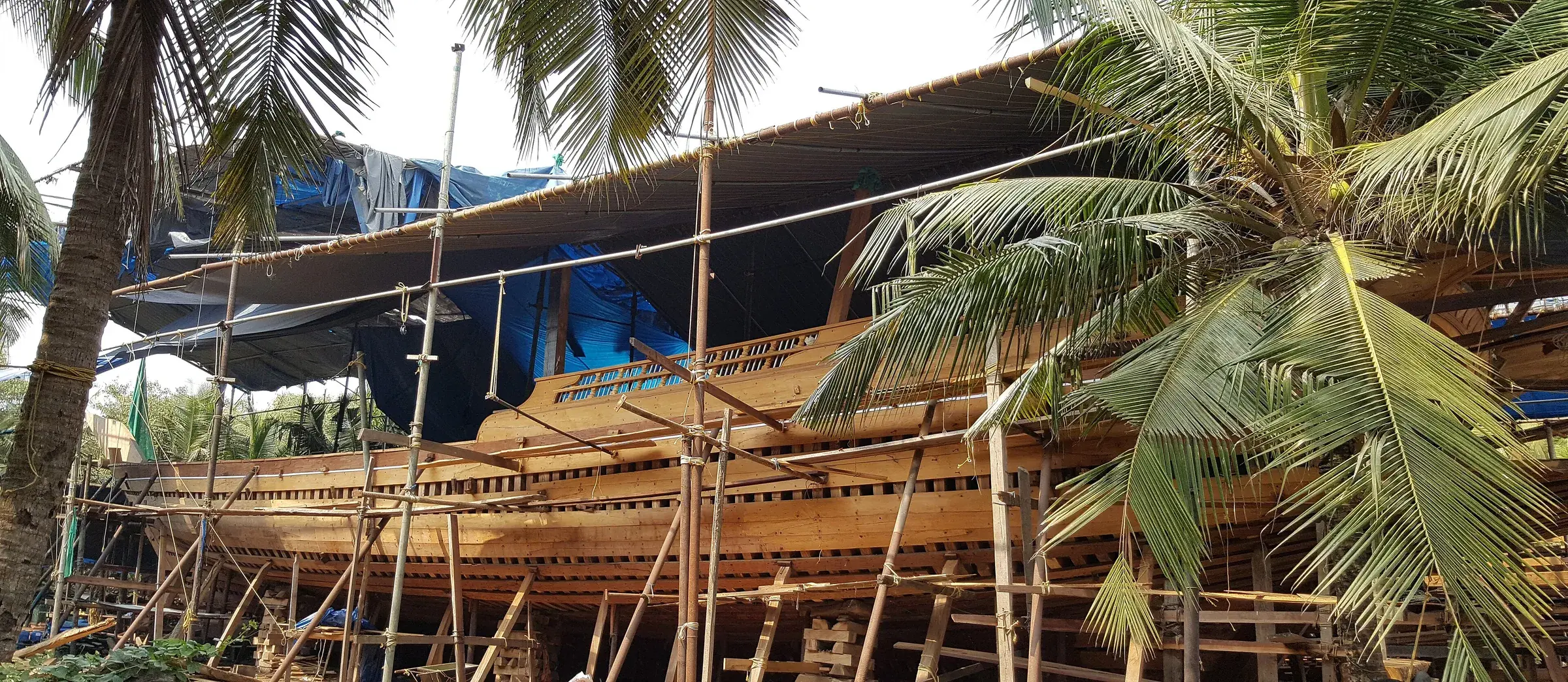
For several centuries Kozhikode was the capital of the Zamorins (Samoothiri), who grew rich on a port open to all comers. Arab merchants settled in its Kuttichira quarter, Ibn Battuta described it in the 1340s, and the Chinese treasure fleets of Zheng He called in the early fifteenth century. Its reputation for fair dealing earned it the name 'city of truth'.
On 20 May 1498 Vasco da Gama reached Kappad, just north of the city, completing the first sea voyage from Europe to India. Relations with the Zamorin soon soured, and for most of the sixteenth century the Zamorin's admirals, the Kunjali Marakkars, fought the Portuguese at sea.
In 1766 Hyder Ali of Mysore invaded; the Zamorin set fire to his palace rather than surrender. After Tipu Sultan's wars, the British took Malabar in 1792 and made Calicut its headquarters. The word 'calico', a kind of cotton cloth, comes from the city's name. In 1930 K. Kelappan led the salt satyagraha march from Kozhikode to Payyanur.
Kozhikode has long been a writers' city — home to Vaikom Muhammad Basheer, the 'Sultan of Beypore', S. K. Pottekkatt and M. T. Vasudevan Nair — with a culture of reading rooms, ghazals and football. In 2023 UNESCO named it India's first City of Literature.