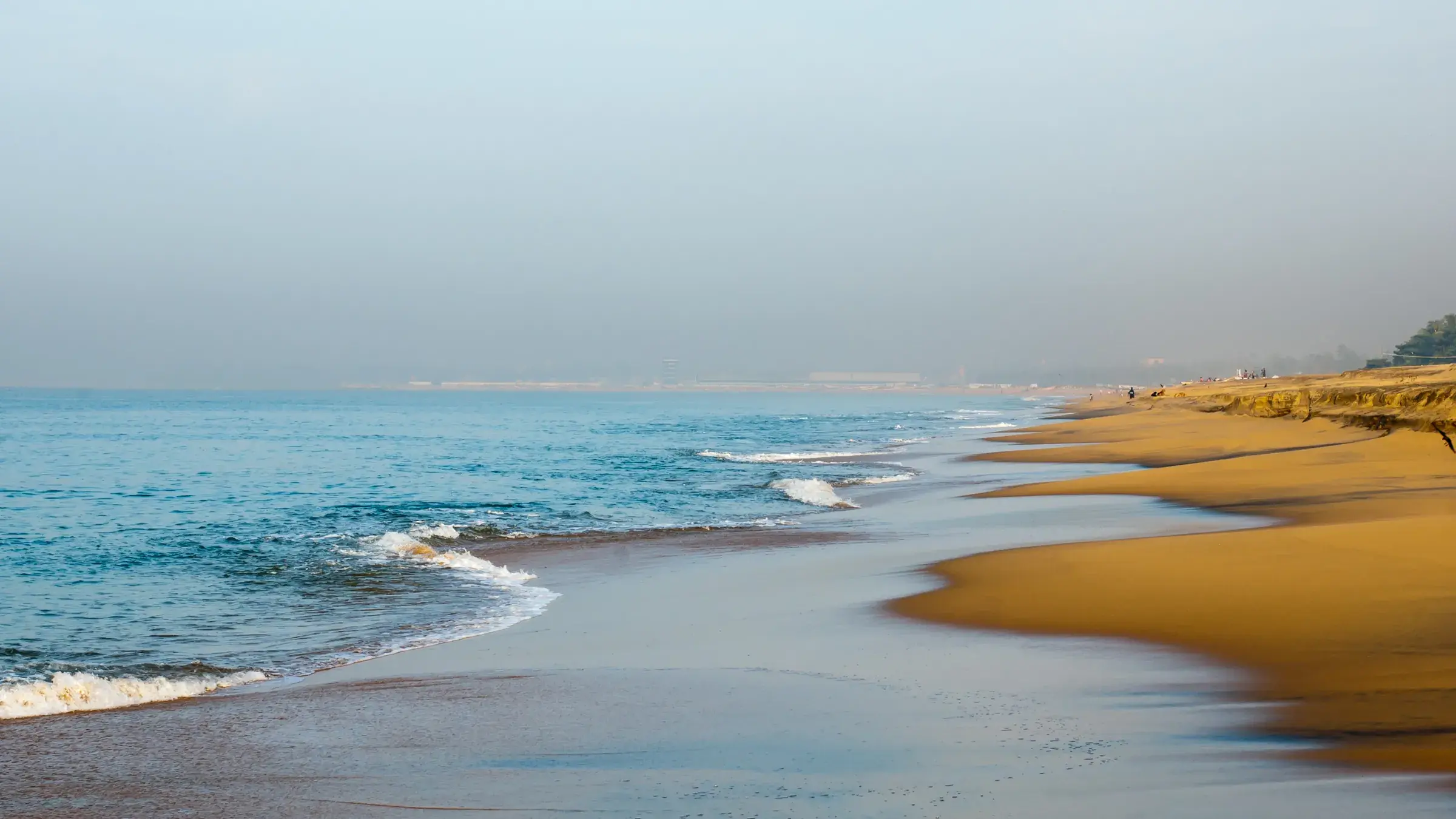
Kollam is so old that Kerala counts time by it. The Kollam Era, the Malayalam calendar, begins in 825 CE, a date long associated with the city's founding or re-founding as a port. A generation later, in 849, the Tharisapalli copper plates were issued here, granting land and trading privileges to a church and its Christian merchants — one of the earliest dated documents in Kerala's history.
Medieval travellers knew it as Quilon or Coilum. Marco Polo described it at the end of the thirteenth century, and Ibn Battuta passed through in the fourteenth, when Chinese junks wintered in its harbour. Pepper, ginger and textiles flowed out; silk, porcelain and horses flowed in. For centuries it was the capital of Venad, the kingdom that later grew into Travancore.
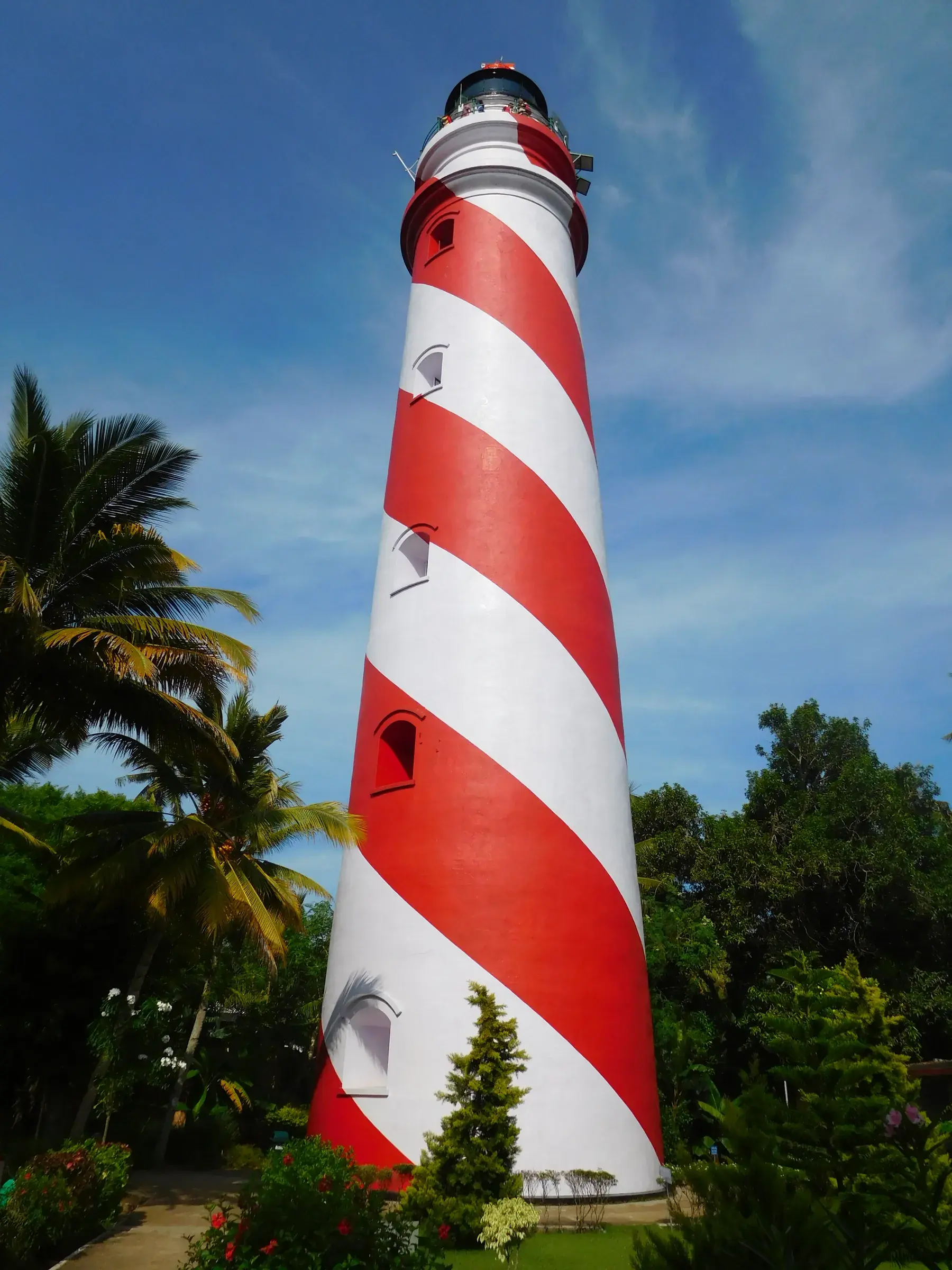
The Portuguese arrived early in the sixteenth century and fortified Thangassery; the Dutch took it in 1661, and the British followed. The lighthouse that still stands at Thangassery was lit in 1902.
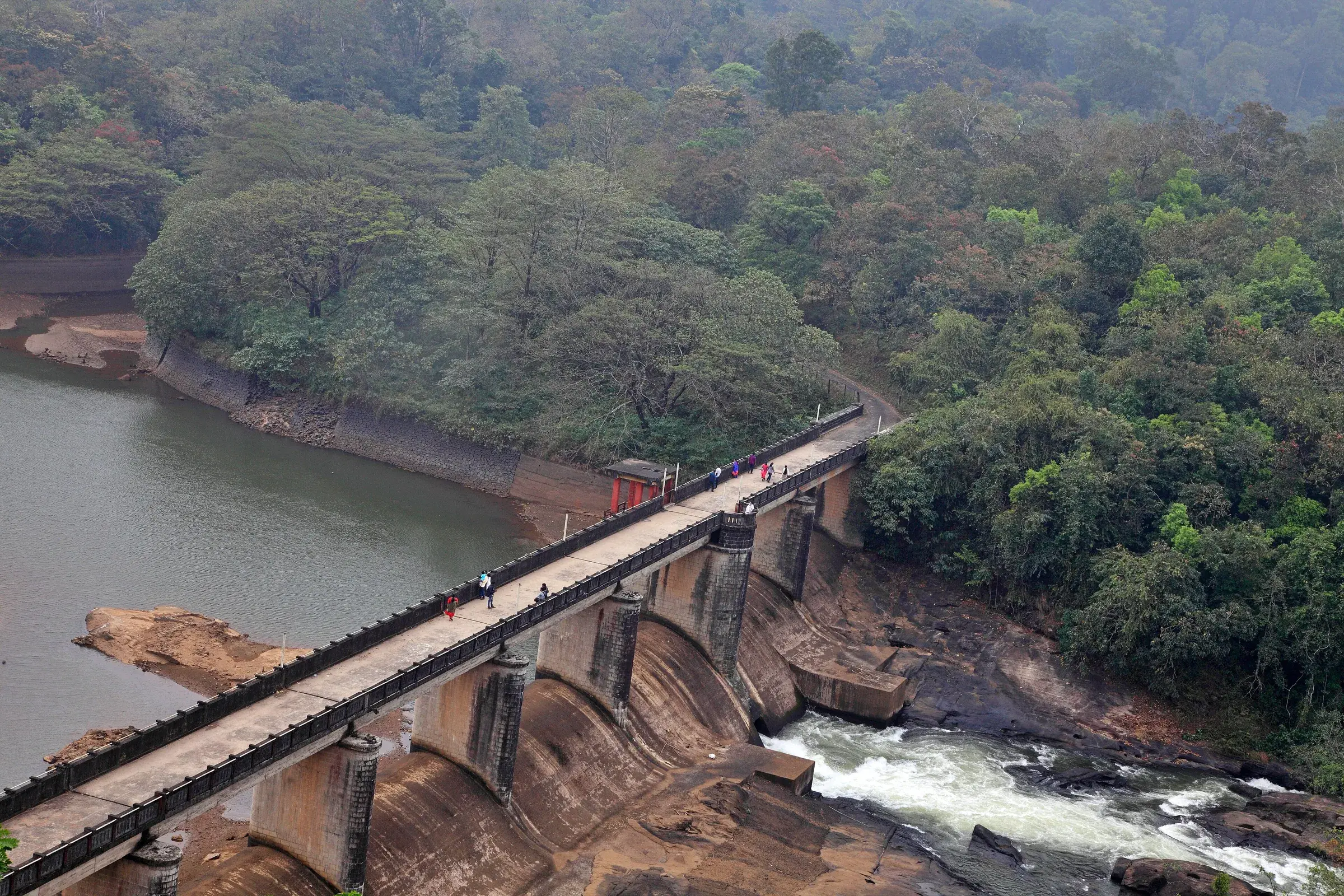
In the twentieth century Kollam became the world's great workshop for cashew, its factories employing tens of thousands, most of them women. It remains the centre of India's cashew processing industry. Inland, Thenmala became India's first planned eco-tourism destination, and in 2014 the short-neck clam fishery of Ashtamudi became the first in India to win Marine Stewardship Council certification.